7 Yoga Moves to Sculpt Your Butt

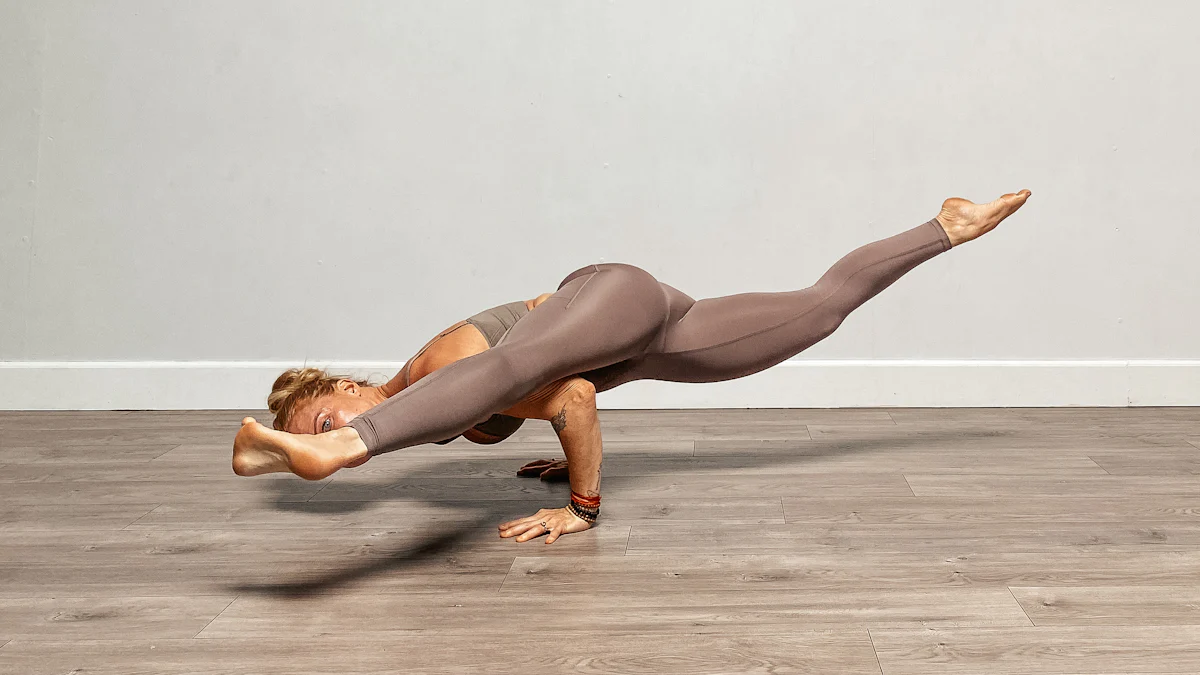
Yoga isn't just about finding inner peace; it's a powerful tool for fitness too. You might be surprised to learn how effective yoga butt exercises can be in sculpting and toning your glutes. By incorporating yoga into your routine, you not only target specific areas like your butt but also enjoy a host of other benefits. Many people report improved flexibility, increased strength, and even better mental health. In fact, 91.6% of yoga practitioners notice enhanced flexibility, while 87.1% feel stronger. So, why not give it a try and see the transformation for yourself?
Downward-Facing Dog
The Downward-Facing Dog, or Adho Mukha Svanasana, is a staple in many yoga routines. This pose not only serves as a transition between other poses but also stands strong on its own as a powerful yoga butt exercise. Let's dive into why this pose is so beneficial for your glutes and how you can perform it effectively.
Benefits for the Glutes
Strengthening
When you practice the Downward-Facing Dog, you engage your gluteus maximus, which is the largest muscle in your buttocks. This engagement helps in strengthening and toning your glutes. Regular practice of this pose can lead to noticeable improvements in muscle strength. By holding the position, you activate your glutes, which contributes to a firmer and more sculpted appearance.
Flexibility
Flexibility is another key benefit of this yoga butt exercise. The Downward-Facing Dog stretches your hamstrings, calves, and even your lower back. This stretching action indirectly benefits your glutes by enhancing their flexibility. Increased flexibility can help prevent injuries and improve your overall range of motion, making everyday activities easier and more comfortable.
How to Perform
Step-by-Step Instructions
Start on all fours: Position your hands shoulder-width apart and your knees hip-width apart.
Lift your hips: Tuck your toes under and lift your hips towards the ceiling, forming an inverted V-shape with your body.
Straighten your legs: Try to straighten your legs as much as possible without locking your knees.
Press your heels down: Aim to press your heels towards the floor, feeling a stretch in your calves and hamstrings.
Engage your core: Keep your core engaged to support your lower back and maintain balance.
Hold the pose: Stay in this position for several breaths, focusing on your form and breathing deeply.
Common Mistakes to Avoid
Rounding the back: Ensure your spine remains straight. Avoid rounding your back, as this can lead to strain.
Locking the knees: Keep a slight bend in your knees if needed to maintain proper alignment.
Forgetting to breathe: Remember to breathe deeply and steadily throughout the pose. Holding your breath can reduce the effectiveness of the exercise.
Incorporating the Downward-Facing Dog into your routine as a yoga butt exercise can significantly enhance your glute strength and flexibility. By practicing this pose regularly, you can enjoy the benefits of a stronger, more toned butt while also improving your overall fitness.
Warrior II Pose
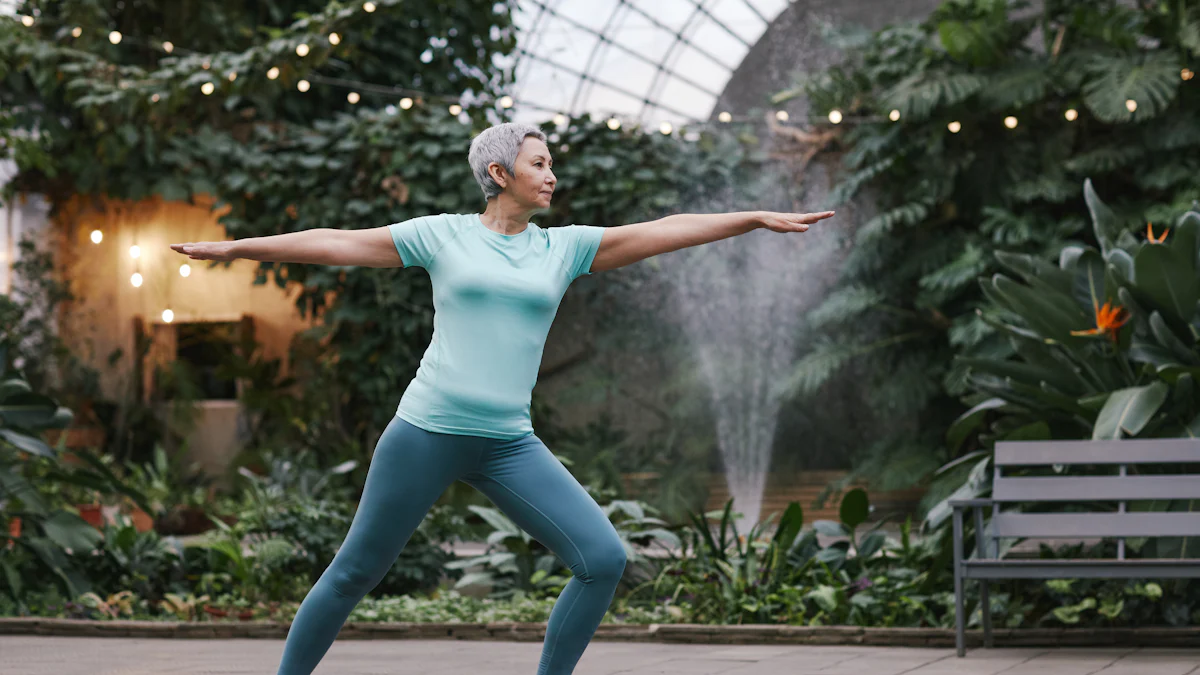
The Warrior II Pose, or Virabhadrasana II, stands as a powerful yoga butt exercise that not only tones your glutes but also enhances your balance. This pose embodies strength and grace, making you feel like a warrior ready for any challenge. Let's explore how this pose can benefit your glutes and how you can master it.
Benefits for the Glutes
Toning
Warrior II is exceptional for toning your glutes. As you hold this pose, you engage your glute muscles, which helps in sculpting and firming them. The position requires you to maintain a strong stance, activating your glutes and thighs. This engagement leads to a more defined and toned appearance over time. Regular practice of this yoga butt exercise can significantly enhance the shape and firmness of your glutes.
Balance Improvement
Balance is another key benefit of the Warrior II Pose. By maintaining this posture, you improve your stability and coordination. The pose challenges your body to stay grounded while your arms extend outward, creating a sense of equilibrium. This balance training not only benefits your glutes but also enhances your overall body awareness and control. Improved balance can make daily activities easier and reduce the risk of falls or injuries.
How to Perform
Step-by-Step Instructions
Begin in a standing position: Stand tall with your feet together and arms at your sides.
Step your feet apart: Take a wide step with your left foot, keeping your right foot facing forward.
Bend your front knee: Bend your left knee, ensuring it aligns with your ankle. Your thigh should be parallel to the floor.
Extend your arms: Stretch your arms out to the sides, parallel to the ground, with palms facing down.
Gaze over your front hand: Look over your left hand, keeping your shoulders relaxed and your chest open.
Hold the pose: Maintain this position for several breaths, focusing on your form and breathing deeply.
Tips for Beginners
Start with a shorter stance: If you're new to this yoga butt exercise, begin with a narrower stance to find your balance.
Use a wall for support: Stand near a wall to help maintain your balance as you build strength and confidence.
Focus on alignment: Ensure your front knee stays aligned with your ankle to prevent strain and maximize the benefits.
Warrior II Pose offers a unique combination of strength and flexibility, making it a favorite among yoga practitioners. As Sahara Rose, author of Discover Your Dharma, describes, "Warrior 2 is as strengthening and grounding as it is opening and lengthening—a rare combination." This pose not only tones your glutes but also empowers you with a sense of readiness and resilience. By incorporating Warrior II into your yoga butt exercises, you can achieve a stronger, more balanced body.
Bridge Pose
The Bridge Pose, or Setu Bandha Sarvangasana, is a fantastic addition to your yoga butt exercises. This pose not only targets your glutes but also engages your core, offering a comprehensive workout. Let's explore how this pose can lift and tone your glutes while strengthening your core.
Benefits for the Glutes
Lifting
The Bridge Pose is excellent for lifting your glutes. When you lift your hips off the ground, you activate the gluteus maximus, which is the largest muscle in your buttocks. This activation helps in lifting and firming your glutes, giving them a more sculpted appearance. Regular practice of this yoga butt exercise can lead to noticeable improvements in the shape and lift of your butt.
Core Engagement
In addition to lifting your glutes, the Bridge Pose also engages your core muscles. By holding this position, you strengthen your abdominal muscles, which support your lower back and improve your posture. A strong core is essential for overall stability and balance, making this pose a valuable addition to your yoga butt exercises.
How to Perform
Step-by-Step Instructions
Lie on your back: Start by lying flat on your back with your knees bent and feet hip-width apart.
Position your arms: Place your arms at your sides, palms facing down.
Lift your hips: Press your feet into the ground and lift your hips towards the ceiling, forming a straight line from your shoulders to your knees.
Engage your glutes: Squeeze your glutes as you hold the pose, keeping your thighs parallel to each other.
Hold the pose: Maintain this position for several breaths, focusing on your form and breathing deeply.
Lower your hips: Gently lower your hips back to the ground, releasing the pose.
Variations for Advanced Practitioners
For those looking to challenge themselves further, try these variations:
Single-Leg Bridge: Lift one leg towards the ceiling while maintaining the bridge position. This variation increases the intensity of the yoga butt exercise by engaging the gluteus maximus and medius more effectively. According to a study on gluteal muscle activity, the modified single-leg bridge with 135° knee flexion preferentially activates these muscles over the biceps femoris.
Elevated Bridge: Place your feet on a block or step to increase the range of motion and further engage your glutes and core.
Incorporating the Bridge Pose into your yoga butt exercises can significantly enhance your glute strength and core stability. By practicing this pose regularly, you can enjoy the benefits of a lifted, toned butt and a stronger core, contributing to your overall fitness and well-being.
Chair Pose
The Chair Pose, or Utkatasana, is a dynamic yoga move that can significantly enhance your glute strength and endurance. This pose mimics the action of sitting in an imaginary chair, engaging multiple muscle groups in your lower body. Let's explore how this pose benefits your glutes and how you can perform it effectively.
Benefits for the Glutes
Strength Building
Chair Pose is a powerhouse for building strength in your glutes. When you lower into the pose, you activate your glute muscles, along with your quads, calves, and ankles. This activation helps in strengthening these muscles, making them more robust and resilient. As you practice this pose regularly, you'll notice improvements in your ability to perform daily activities that involve hip extension, like walking, climbing stairs, or running. As Brie Bednarski explains, "Through practicing this pose, you can strengthen your glutes, making it easier to perform daily activities."
Endurance
Endurance is another key benefit of the Chair Pose. Holding this position challenges your glutes to maintain engagement over time, building stamina and resilience. This endurance training not only benefits your glutes but also enhances your overall lower body strength. As Iyengar notes, "This pose fires up the legs, strengthening the glutes, quads, calves, and ankles." By incorporating Chair Pose into your routine, you can improve your muscular endurance, making your glutes more capable of sustaining prolonged activity.
How to Perform
Step-by-Step Instructions
Stand tall: Begin with your feet together and arms at your sides.
Raise your arms: Lift your arms overhead, keeping them parallel with palms facing each other.
Bend your knees: Lower your hips as if you're sitting back into a chair, keeping your weight in your heels.
Engage your core: Pull your belly button towards your spine to support your lower back.
Hold the pose: Maintain this position for several breaths, focusing on your form and breathing deeply.
Return to standing: Straighten your legs and lower your arms to return to the starting position.
Modifications for Different Levels
Beginner Tip: If you're new to this pose, start by lowering only a few inches to find your balance and build strength gradually.
Advanced Variation: For a more challenging version, try lifting your heels off the ground while maintaining the pose. This variation increases the intensity of the exercise by further engaging your glutes and calves.
Use a Wall: Stand with your back against a wall for support as you lower into the pose. This modification helps you maintain proper alignment and balance.
Incorporating the Chair Pose into your yoga routine can significantly enhance your glute strength and endurance. By practicing this pose regularly, you can enjoy the benefits of stronger, more resilient glutes, contributing to your overall fitness and well-being.
Crescent Lunge
The Crescent Lunge, or Anjaneyasana, is a dynamic yoga pose that offers significant benefits for your glutes. This pose not only stretches and activates your muscles but also enhances your overall flexibility and strength. Let's dive into how the Crescent Lunge can transform your glutes and how you can perform it effectively.
Benefits for the Glutes
Stretching
The Crescent Lunge provides an excellent stretch for your hip flexors and glutes. As you sink into the lunge, you feel a deep stretch in the front of your hip, which helps release tension and improve flexibility. This stretching action is crucial for maintaining healthy glutes and preventing tightness that can lead to discomfort or injury. By regularly practicing this pose, you can enhance your range of motion and make everyday movements more fluid and comfortable.
Muscle Activation
In addition to stretching, the Crescent Lunge activates your glute muscles. When you hold this pose, you engage your glutes to stabilize your body and maintain balance. This activation helps in strengthening and toning your glutes, contributing to a firmer and more sculpted appearance. According to research, exercises that involve single-leg movements, like the Crescent Lunge, show high gluteal muscle activity, making them effective for glute strengthening.
How to Perform
Step-by-Step Instructions
Start in a standing position: Stand tall with your feet together and arms at your sides.
Step forward: Take a big step forward with your right foot, bending your right knee to form a 90-degree angle.
Extend your back leg: Keep your left leg straight and press your heel towards the floor.
Raise your arms: Lift your arms overhead, keeping them parallel with palms facing each other.
Engage your core: Pull your belly button towards your spine to support your lower back.
Hold the pose: Maintain this position for several breaths, focusing on your form and breathing deeply.
Switch sides: Repeat the pose on the opposite side to ensure balanced muscle development.
Alignment Tips
Keep your front knee aligned: Ensure your right knee stays directly above your ankle to prevent strain and maximize the benefits.
Square your hips: Align your hips forward to maintain proper posture and engage your glutes effectively.
Relax your shoulders: Keep your shoulders relaxed and away from your ears to avoid tension in your upper body.
Incorporating the Crescent Lunge into your yoga routine can significantly enhance your glute strength and flexibility. By practicing this pose regularly, you can enjoy the benefits of a more toned and resilient butt, contributing to your overall fitness and well-being.
Locust Pose
The Locust Pose, or Salabhasana, is a fantastic yoga move for firming your glutes and improving your posture. This pose targets the lower back and buttocks, making it an essential addition to your yoga routine. Let's explore how this pose can benefit your glutes and how you can perform it effectively.
Benefits for the Glutes
Firming
Locust Pose is excellent for firming your glutes. When you lift your legs and chest off the ground, you engage the gluteus maximus, which helps in toning and sculpting your buttocks. Regular practice of this pose can lead to noticeable improvements in the firmness and shape of your glutes. By activating these muscles, you contribute to a more defined and toned appearance.
Posture Improvement
Improving posture is another key benefit of the Locust Pose. This pose counteracts the effects of prolonged sitting, which often leads to slouching and poor posture. As Yoga Journal highlights, "Locust Pose improves posture and counteracts the effects of prolonged sitting. It may help relieve lower back pain and can counteract slouching and kyphosis (abnormal curvature of the spine)." By practicing this pose regularly, you can enhance your spinal alignment and reduce the risk of back pain.
How to Perform
Step-by-Step Instructions
Lie face down: Start by lying flat on your stomach with your arms at your sides and palms facing up.
Engage your core: Pull your belly button towards your spine to support your lower back.
Lift your chest and legs: Inhale deeply and lift your chest, arms, and legs off the ground simultaneously. Keep your gaze forward.
Squeeze your glutes: Engage your glutes as you hold the pose, keeping your legs straight and toes pointed.
Hold the pose: Maintain this position for several breaths, focusing on your form and breathing deeply.
Lower back down: Exhale and gently lower your chest and legs back to the ground, releasing the pose.
Breathing Techniques
Inhale deeply: As you lift your chest and legs, take a deep breath in to expand your lungs and engage your core.
Exhale slowly: When lowering back down, exhale slowly to release tension and maintain control.
Focus on steady breathing: Throughout the pose, keep your breath steady and even to enhance relaxation and concentration.
Incorporating the Locust Pose into your yoga routine can significantly enhance your glute strength and posture. By practicing this pose regularly, you can enjoy the benefits of a firmer, more toned butt and improved spinal alignment, contributing to your overall fitness and well-being.
Pigeon Pose
The Pigeon Pose, or Kapotasana, is a favorite among yoga enthusiasts for its ability to deeply stretch the hips and provide a sense of relaxation. This pose not only targets your glutes but also offers a holistic approach to improving flexibility and releasing tension.
Benefits for the Glutes
Deep Stretch
Pigeon Pose delivers a profound stretch to your hip flexors and external rotators. When you sink into this pose, you feel the stretch in your glutes and hips, promoting flexibility and mobility. This deep stretch can help alleviate lower back tension and improve your overall posture. By regularly practicing Pigeon Pose, you enhance your range of motion, making everyday movements more fluid and comfortable.
Relaxation
Beyond the physical benefits, Pigeon Pose offers a unique opportunity for relaxation. As you hold the pose, you may experience a release of emotional stress stored in your hips. This relaxation can lead to a sense of calm and well-being, making it an excellent addition to your yoga routine. By incorporating Pigeon Pose, you not only tone your glutes but also nurture your mental health.
How to Perform
Step-by-Step Instructions
Start in a tabletop position: Begin on all fours with your hands under your shoulders and knees under your hips.
Bring your right knee forward: Slide your right knee towards your right wrist, angling your shin across your mat.
Extend your left leg back: Stretch your left leg straight behind you, keeping your hips square to the front.
Lower your torso: Gently lower your torso over your right leg, resting your forehead on the ground or a block.
Relax and breathe: Hold the pose for several breaths, allowing your body to relax and deepen into the stretch.
Switch sides: Slowly come out of the pose and repeat on the opposite side.
Safety Precautions
Listen to your body: Avoid forcing the stretch if you feel any pain or discomfort. Modify the pose by placing a blanket or block under your hip for support.
Keep your hips square: Ensure your hips remain aligned to prevent strain and maximize the benefits of the stretch.
Breathe deeply: Focus on deep, steady breaths to enhance relaxation and release tension.
Incorporating Pigeon Pose into your yoga practice can significantly enhance your glute flexibility and relaxation. By practicing this pose regularly, you can enjoy the benefits of a more flexible, toned butt and a calmer mind, contributing to your overall fitness and well-being.
Yoga offers a fantastic way to sculpt your butt while enhancing your overall fitness. By incorporating these poses into your routine, you can achieve a firmer derriere and improved posture. Regular practice not only tones your glutes but also boosts your confidence. As a regular practitioner shares, "Practicing yoga for butt asanas will help you get a firm derriere and a lovely posture." So, why not start today? Explore more resources and join a community of yoga enthusiasts to share experiences and tips. Your journey to a toned and healthy body awaits!
See Also
Best 10 Yoga Positions for Couples

Hi my name is Lia and i am your host in this yoga journey in Portugal, Subscribe to our newsletter to receive every week the best of Yoga in Portugal.

We bring back the importance of initiation into womanhood by Roos-Veerle Krijnen & Ella-June Henrard
Welcome to the Women’s Initiation Retreat by Naked Truth Retreats, a transformative journey into the depths of your True Feminine Nature. This retreat invites you to remember the sacredness and wholeness of your being.
Roos-Veerle Krijnen & Ella-June Henrard