6 Techniques to Master Sarasana Yoga

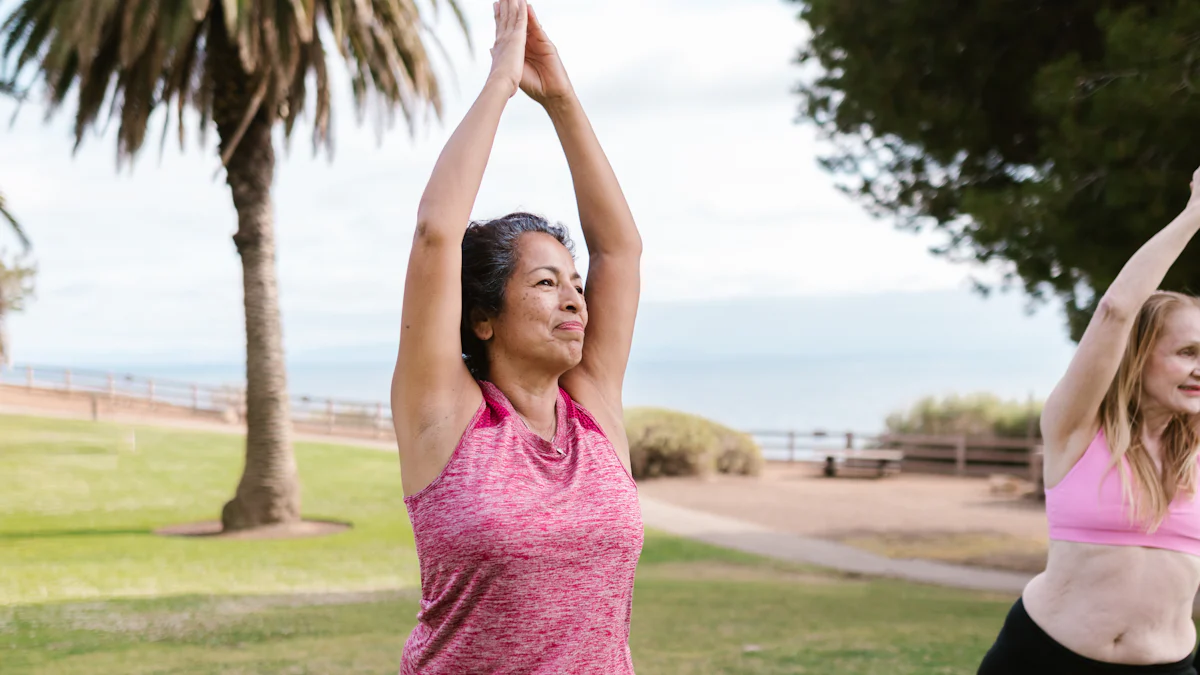
Sarasana Yoga offers a transformative journey that nurtures both your body and mind. This practice, known as sarasana_yoga, focuses on mindfulness, balance, and precise physical alignment. By engaging in sarasana_yoga regularly, you can experience improved flexibility, enhanced mental clarity, and a greater sense of well-being. Studies have shown that yoga significantly boosts cardiovascular fitness, reduces stress, and improves overall quality of life. It also helps manage anxiety and promotes relaxation. Through consistent practice of sarasana_yoga, you can cultivate a deeper connection with yourself while reaping these remarkable benefits.
Key Takeaways
Sarasana Yoga enhances both physical and mental well-being through mindfulness, balance, and alignment.
Incorporate the Grounding Pose into your routine to improve balance, focus, and reduce stress.
Practice the Flowing Breath to enhance lung function, relieve stress, and improve sleep quality.
The Balancing Stretch strengthens your core and legs while sharpening your mental clarity and focus.
Engage in the Mindful Twist to improve spinal health, aid digestion, and promote relaxation.
The Energy Flow Sequence revitalises your body by enhancing energy circulation and reducing stress.
Finish your practice with the Relaxation Pose to calm your mind, improve sleep, and support physical recovery.
Technique 1: The Grounding Pose in Sarasana Yoga
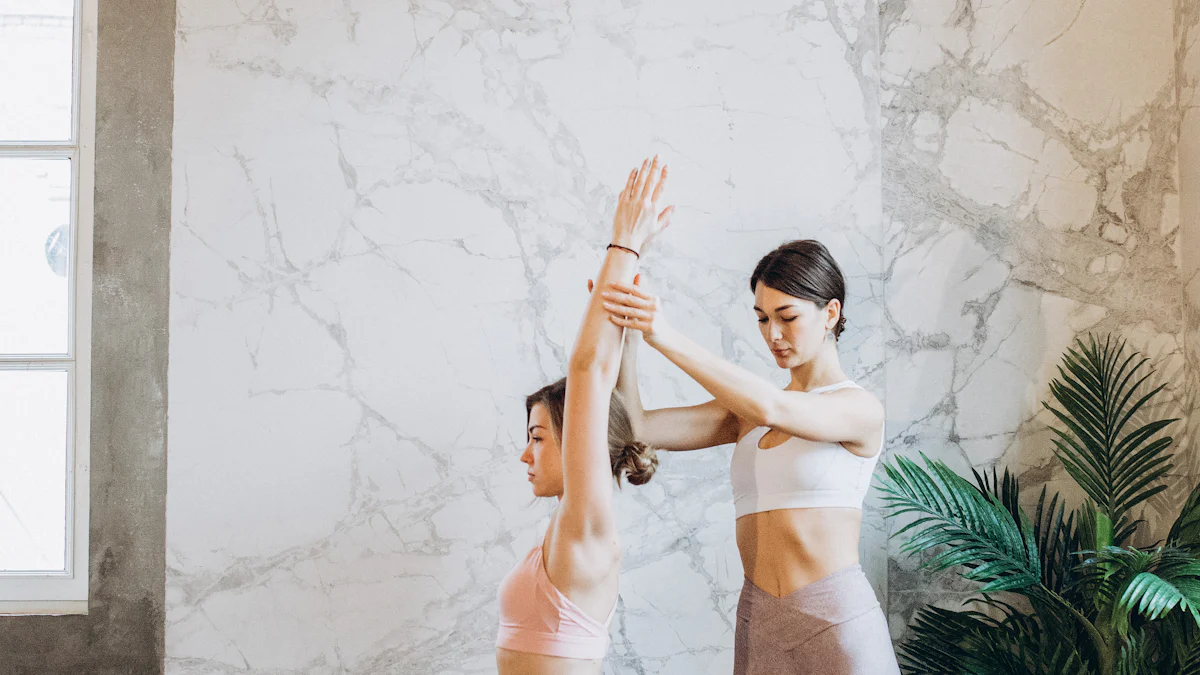
Understanding the Grounding Pose
The Grounding Pose serves as the foundation of sarasana_yoga. It helps you establish a strong connection between your body and the earth. This pose encourages you to focus on stability and balance, which are essential for mastering more advanced techniques. By practising this pose, you can develop a sense of rootedness that allows you to feel centred and calm, even during challenging times.
“When life feels like it’s spinning out of control, grounding yourself can restore balance and reduce stress.”
This quote highlights the importance of grounding practices, especially during moments of uncertainty. The Grounding Pose in sarasana_yoga embodies this principle, helping you regain control and find inner peace.
Benefits of the Grounding Pose
The Grounding Pose offers numerous physical and mental benefits. Regular practice can improve your posture and strengthen your core muscles. It also enhances your ability to maintain balance, which is crucial for overall physical stability. Mentally, this pose promotes mindfulness by encouraging you to focus on your breath and body alignment.
Some key benefits include:
Improved balance: Strengthens your ability to stay steady and composed.
Enhanced focus: Sharpens your concentration by directing attention to your breath.
Stress reduction: Encourages relaxation and reduces feelings of anxiety.
By incorporating this pose into your routine, you can experience a greater sense of harmony and well-being.
Steps to Practise the Grounding Pose
Step 1: Stand on a stable surface with feet shoulder-width apart.
Begin by finding a flat and stable surface. Stand tall with your feet firmly planted on the ground. Keep your shoulders relaxed and your spine straight. This initial position sets the stage for proper alignment and balance.
Step 2: Focus on your breath and engage your core muscles.
Take a deep breath in through your nose and exhale slowly through your mouth. As you breathe, engage your core muscles by gently pulling your navel towards your spine. This action stabilises your body and helps you maintain the pose with ease.
Step 3: Hold the pose for 1-2 minutes, maintaining balance.
Stay in this position for one to two minutes. Keep your gaze forward and remain mindful of your breath. If you feel unsteady, adjust your posture slightly to regain balance. Over time, this practice will strengthen your ability to stay grounded both physically and mentally.
“Being present and aware during yoga practice allows you to savour each moment and deepen your connection with yourself.”
This insight reminds you to approach the Grounding Pose with mindfulness. By staying present, you can fully embrace the benefits of this foundational technique in sarasana_yoga.
Technique 2: The Flowing Breath in Sarasana Yoga
Understanding the Flowing Breath
The Flowing Breath is a cornerstone of sarasana_yoga, focusing on the rhythm and depth of your breathing. This technique allows you to harness the power of your breath to create a sense of calm and balance. Breathing is not just a physical act; it is deeply connected to your mental and emotional state. By practising the Flowing Breath, you can regulate your energy levels and cultivate mindfulness.
“Breath, of course, is life—without it you die fairly quickly! Breath in many ancient languages meant both life and air: Spiritus in Latin is your spirit and your breath; prana has a similar connotation—it is life force as well as breath.”
— Various Yoga Instructors
This quote highlights the profound connection between breath and life. The Flowing Breath in sarasana_yoga embodies this principle, helping you align your body and mind through intentional breathing.
Benefits of the Flowing Breath
The Flowing Breath offers a wide range of benefits for both your physical and mental well-being. It enhances your lung capacity and improves oxygen flow throughout your body. This technique also helps reduce stress and anxiety by activating your parasympathetic nervous system, which promotes relaxation.
Some key benefits include:
Improved focus: Deep breathing sharpens your concentration and keeps your mind present.
Stress relief: Slow, controlled breaths help lower cortisol levels, reducing feelings of tension.
Enhanced lung function: Regular practice strengthens your respiratory system and boosts endurance.
Better sleep quality: Practising this technique before bed can calm your mind and prepare your body for restful sleep.
A recent study demonstrated that incorporating breathwork into yoga practices significantly reduces high blood pressure. This finding underscores the importance of techniques like the Flowing Breath in promoting overall health.
Steps to Practise the Flowing Breath
Step 1: Sit comfortably with your back straight.
Find a quiet space where you can sit undisturbed. Choose a comfortable position, either on a chair or the floor, ensuring your back remains straight. Keep your shoulders relaxed and your hands resting gently on your knees.
Step 2: Inhale deeply through your nose for a count of four.
Close your eyes and take a deep breath in through your nose. Count to four as you inhale, allowing your lungs to fill completely. Focus on the sensation of the air entering your body, bringing energy and vitality.
Step 3: Exhale slowly through your mouth for a count of six.
Gently exhale through your mouth, counting to six as you release the air. Let go of any tension or negative thoughts with each breath out. Maintain a steady rhythm, ensuring your exhalation is longer than your inhalation to promote relaxation.
“Yoga breathing exercises have many powerful benefits to the body, mind, and heart. Pranayama can reduce stress, anxiety, fatigue, high blood pressure and can improve lung function, focus, sleep, digestion, metabolism, and overall well-being.”
— Various Yoga Instructors
This insight emphasises the transformative potential of breathwork. By practising the Flowing Breath regularly, you can unlock these benefits and deepen your connection to yourself.
Technique 3: The Balancing Stretch in Sarasana Yoga
Understanding the Balancing Stretch
The Balancing Stretch is a vital component of sarasana_yoga. This technique focuses on improving your stability and coordination by challenging your body to maintain equilibrium. It requires you to engage your core muscles and concentrate on your posture, which helps you develop both physical and mental balance. By practising this stretch, you can enhance your ability to stay steady and composed in various situations.
“Balance is not something you find; it is something you create.”
This quote reflects the essence of the Balancing Stretch. Through consistent practice, you can cultivate a sense of balance that extends beyond the yoga mat and into your daily life.
Benefits of the Balancing Stretch
The Balancing Stretch offers numerous advantages for your overall well-being. It strengthens your lower body, particularly the muscles in your legs and core, which are essential for maintaining stability. This pose also improves your focus and concentration as you work to hold the position without wavering.
Some key benefits include:
Enhanced stability: Strengthens your ability to maintain balance in various physical activities.
Improved posture: Encourages proper alignment of your spine and body.
Increased focus: Sharpens your mental clarity by requiring you to concentrate on your movements.
Stress relief: Promotes relaxation by encouraging mindfulness and controlled breathing.
Scientific research highlights the importance of balance-focused exercises in yoga. According to findings published in the Harvard Health Blog, yoga improves flexibility, balance, and overall quality of life. The Balancing Stretch embodies these principles, making it an essential technique for anyone seeking to enhance their physical and mental health.
Steps to Practise the Balancing Stretch
Step 1: Stand on one leg and lift the other leg slightly off the ground.
Begin by standing tall with your feet hip-width apart. Shift your weight onto one leg and slowly lift the other leg off the ground. Keep your lifted leg bent at the knee or extended slightly forward, depending on your comfort level. Ensure your standing leg remains firm and stable.
Step 2: Extend your arms outward to maintain balance.
Raise your arms to shoulder height and extend them outward. This action helps you stabilise your body and maintain equilibrium. Keep your shoulders relaxed and your gaze fixed on a point in front of you to aid concentration.
Step 3: Hold the position for 30 seconds, then switch legs.
Stay in this position for 30 seconds while focusing on your breath. Inhale deeply through your nose and exhale slowly through your mouth. If you feel unsteady, adjust your posture or lower your lifted leg slightly. After completing one side, switch legs and repeat the process.
“Yoga poses that challenge your balance not only strengthen your body but also train your mind to stay focused and present.”
This insight underscores the transformative power of balance-focused techniques like the Balancing Stretch. By incorporating this pose into your sarasana_yoga routine, you can build a stronger, more centred version of yourself.
Technique 4: The Mindful Twist in Sarasana Yoga
Understanding the Mindful Twist
The Mindful Twist is a classic pose that embodies the essence of sarasana_yoga. This technique encourages you to explore the connection between your breath and movement while gently stretching your spine. Twisting poses have been a part of yoga for centuries, with the seated twist pose (matsyendrasana) being one of the original asanas detailed in The Vedas. This historical significance highlights the enduring value of twists in promoting physical and mental well-being.
The Mindful Twist invites you to slow down and focus on the present moment. By practising this pose, you can release tension stored in your back and shoulders. It also helps you improve spinal mobility, which is essential for maintaining a healthy posture. This technique is not just about physical movement; it is a practice of mindfulness that allows you to connect with your inner self.
“Twisting poses in yoga are like wringing out a sponge—they help release toxins and create space for renewal.”
This analogy captures the rejuvenating effect of the Mindful Twist. By incorporating this pose into your routine, you can experience a sense of lightness and clarity.
Benefits of the Mindful Twist
The Mindful Twist offers a range of benefits that extend beyond the physical body. Regular practice can enhance your flexibility and improve your digestion. Twisting poses stimulate your internal organs, promoting better circulation and detoxification. Mentally, this pose encourages you to let go of stress and embrace a state of calm.
Here are some key benefits of the Mindful Twist:
Improved spinal health: Enhances flexibility and reduces stiffness in your back.
Detoxification: Stimulates internal organs, aiding in digestion and cleansing.
Stress relief: Encourages relaxation by focusing your mind on the present moment.
Enhanced posture: Promotes proper alignment of your spine and shoulders.
Scientific studies have shown that twisting poses can improve spinal mobility and reduce back pain. This makes the Mindful Twist an excellent choice for anyone seeking to enhance their overall well-being.
Steps to Practise the Mindful Twist
Step 1: Sit cross-legged on the floor.
Begin by finding a quiet space where you can sit comfortably. Cross your legs and ensure your back remains straight. Keep your shoulders relaxed and your hands resting on your knees. This position creates a stable base for the twist.
Step 2: Place your right hand on your left knee and gently twist your torso to the left.
Place your right hand on your left knee and your left hand behind you for support. Slowly twist your torso to the left, moving from your lower back upwards. Avoid forcing the movement; let your body guide you into the twist naturally. Keep your gaze over your left shoulder to deepen the stretch.
Step 3: Hold the twist for 15 seconds, then repeat on the other side.
Hold the position for 15 seconds while breathing deeply. Inhale through your nose and exhale through your mouth, allowing your body to relax into the twist. After completing one side, return to the centre and repeat the process on the other side. This balanced approach ensures both sides of your body benefit equally.
“Yoga is the journey of the self, through the self, to the self.”
— The Bhagavad Gita
This timeless wisdom reminds you to approach the Mindful Twist with patience and self-awareness. By practising this pose regularly, you can cultivate a deeper connection with yourself and enjoy its transformative benefits.
Technique 5: The Energy Flow Sequence in Sarasana Yoga
Understanding the Energy Flow Sequence
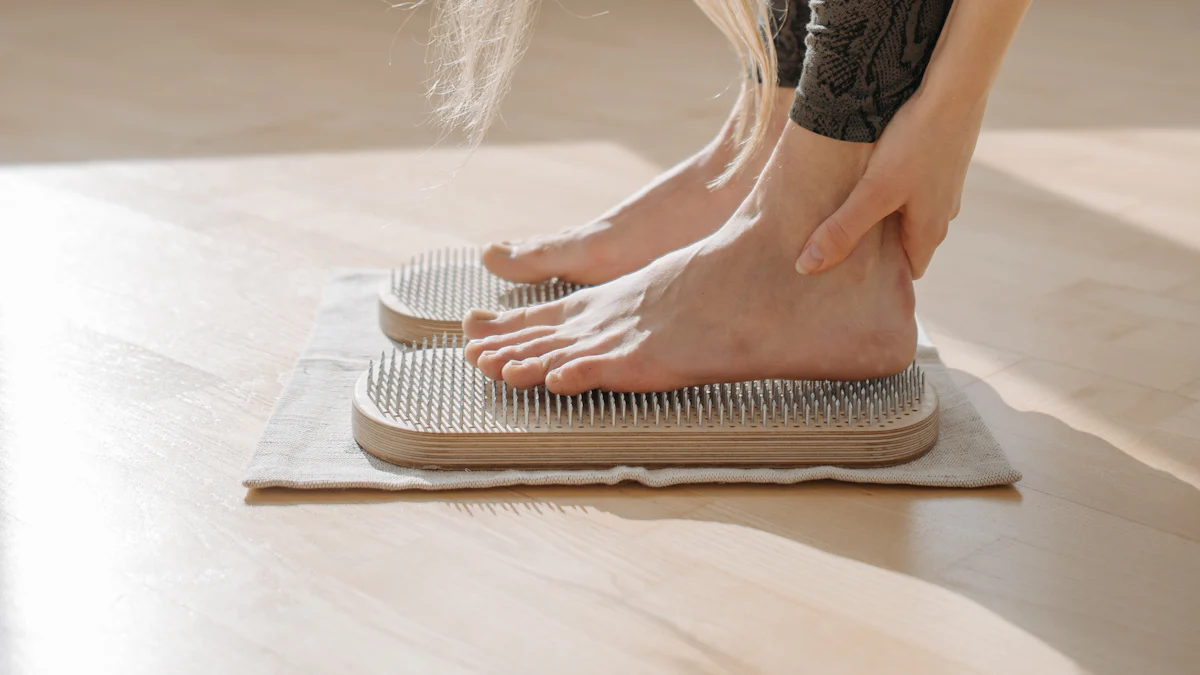
The Energy Flow Sequence is a dynamic practice within sarasana_yoga that focuses on creating a seamless connection between movement and breath. This sequence encourages the flow of energy, or prana, throughout your body, enhancing both physical vitality and mental clarity. By transitioning through specific poses, you stimulate energy pathways and remove blockages that may hinder your overall well-being.
“Through the movement and stresses we generate in our yoga asana practice, we both stimulate energy flow and reduce or remove blockages to that flow.”
This principle lies at the heart of the Energy Flow Sequence. Each posture in the sequence is designed to “un-kink the hose,” allowing energy to circulate freely and efficiently. As you practise, you will notice how energy flows through your spine, creating a sense of balance and renewal.
Benefits of the Energy Flow Sequence
The Energy Flow Sequence offers a wide range of benefits that extend beyond the physical body. Regular practice can enhance your energy levels, improve your strength, and promote relaxation. By focusing on the flow of prana, you can optimise both voluntary and involuntary functions within your body.
Some key benefits include:
Enhanced energy circulation: Stimulates the flow of prana, revitalising your body and mind.
Improved physical strength: Strengthens muscles through controlled transitions between poses.
Detoxification: Increases oxygen intake, helping to eliminate toxins from your body.
Stress relief: Promotes relaxation by synchronising movement with breath.
Better sleep quality: Encourages restful sleep by calming your nervous system.
“When prana flows efficiently, both our voluntary and involuntary functions work at optimal levels—from healthier digestion to more restful sleep to increased stress resilience!”
This insight highlights the transformative potential of the Energy Flow Sequence. By practising this technique, you can create clear pathways for energy to flow, leading to a more balanced and harmonious state.
Steps to Practise the Energy Flow Sequence
Step 1: Begin in a downward dog position.
Start by positioning yourself on all fours. Lift your hips towards the ceiling, forming an inverted V-shape with your body. Keep your hands shoulder-width apart and your feet hip-width apart. Focus on elongating your spine and grounding your hands and feet into the mat. This pose prepares your body for the flow of energy by stretching your back and legs.
Step 2: Transition into a plank pose, then lower into a cobra pose.
Shift your weight forward into a plank pose, aligning your shoulders over your wrists. Engage your core muscles to maintain stability. From here, lower your body to the mat with control, keeping your elbows close to your sides. Once on the mat, lift your chest into a cobra pose by pressing your palms into the ground and extending your spine. This movement strengthens your upper body and opens your chest, facilitating the flow of energy.
Step 3: Return to downward dog and repeat the sequence three times.
Push back into the downward dog position, using your arms and legs to lift your hips. Take a moment to focus on your breath and feel the energy flowing through your body. Repeat the entire sequence three times, moving with intention and maintaining a steady rhythm. Each repetition deepens your connection to the flow of prana, leaving you feeling energised and centred.
“Notice how energy flows through the spine before and after every pose.”
This reminder encourages you to stay mindful during the Energy Flow Sequence. By paying attention to the sensations in your body, you can fully embrace the benefits of this powerful technique in sarasana_yoga.
Technique 6: The Relaxation Pose in Sarasana Yoga
Understanding the Relaxation Pose
The Relaxation Pose, often referred to as the final resting pose in yoga, is a cornerstone of sarasana_yoga. This pose invites you to let go of tension and embrace stillness. It serves as a moment of reflection, allowing your body and mind to absorb the benefits of your practice. By lying flat on your back with your arms relaxed, you create an environment for complete physical and mental release.
“The final resting pose in a yoga class, Savasana, is crucial for learning to be still and at peace.”
— Yoga Journal
This insight highlights the importance of the Relaxation Pose in cultivating inner calm. It is not merely a physical posture but a practice of mindfulness and surrender. Through this pose, you can experience a profound sense of tranquillity and renewal.
Benefits of the Relaxation Pose
The Relaxation Pose offers a wealth of benefits that extend beyond the yoga mat. It calms the mind, eases anxiety, and promotes a sense of peace. Regular practice can improve sleep quality and reduce stress levels. By focusing on your breath and letting go of distractions, you create space for mental clarity and emotional balance.
Some key benefits include:
Stress reduction: Encourages deep relaxation by calming the nervous system.
Improved sleep: Prepares your body and mind for restful sleep, enhancing overall well-being.
Mental clarity: Clears your thoughts, helping you feel more focused and centred.
Physical recovery: Relieves muscle tension and supports the body’s natural healing process.
“This pose not only stretches muscles but also calms the mind, eases anxiety, and promotes peace.”
— Yoga Journal
This quote underscores the transformative potential of the Relaxation Pose. By incorporating it into your routine, you can nurture both your physical and mental health.
Steps to Practise the Relaxation Pose
Step 1: Lie flat on your back with arms relaxed at your sides.
Find a quiet space where you can lie down comfortably. Position yourself flat on your back with your legs extended and your arms resting naturally at your sides. Keep your palms facing upwards to encourage openness and relaxation. Ensure your body feels supported, using a mat or blanket if needed.
Step 2: Close your eyes and focus on your breathing.
Gently close your eyes and bring your attention to your breath. Inhale deeply through your nose and exhale slowly through your mouth. Allow your breath to flow naturally, without forcing it. As you breathe, notice the rise and fall of your chest and the sensation of air entering and leaving your body.
Step 3: Stay in this position for 5-10 minutes to fully relax.
Remain in this pose for five to ten minutes, or longer if time permits. Let your body sink into the ground, releasing any tension with each exhalation. Focus on the present moment, letting go of any lingering thoughts or worries. When you are ready to finish, gently wiggle your fingers and toes before sitting up slowly.
“Supta matsyendrasana is a great pose for promoting relaxation, reducing stress, calming the mind, and improving sleep quality.”
— Omstars
This reminder encourages you to approach the Relaxation Pose with intention. By dedicating time to this practice, you can experience its profound benefits and deepen your connection to yourself.
Mastering Sarasana Yoga begins with these six transformative techniques. Each one—Grounding Pose, Flowing Breath, Balancing Stretch, Mindful Twist, Energy Flow Sequence, and Relaxation Pose—offers unique benefits. They enhance flexibility, balance, and mental clarity while reducing stress and promoting overall well-being. Regular practice can lead to healthier habits, better sleep, and improved physical strength.
Incorporate these techniques into your daily routine. Start small and remain consistent. Remember, progress takes time. Patience and dedication will help you unlock the full potential of Sarasana Yoga, enriching both your body and mind.
See Also
A Comprehensive Guide to the Cobra Yoga Pose
Achieving Balance with the Balasana Yoga Pose
Step-by-Step Guide to Perfecting the Tree Pose

Hi my name is Lia and i am your host in this yoga journey in Portugal, Subscribe to our newsletter to receive every week the best of Yoga in Portugal.

We bring back the importance of initiation into womanhood by Roos-Veerle Krijnen & Ella-June Henrard
Welcome to the Women’s Initiation Retreat by Naked Truth Retreats, a transformative journey into the depths of your True Feminine Nature. This retreat invites you to remember the sacredness and wholeness of your being.
Roos-Veerle Krijnen & Ella-June Henrard