50 Essential Yoga Poses You Need to Know

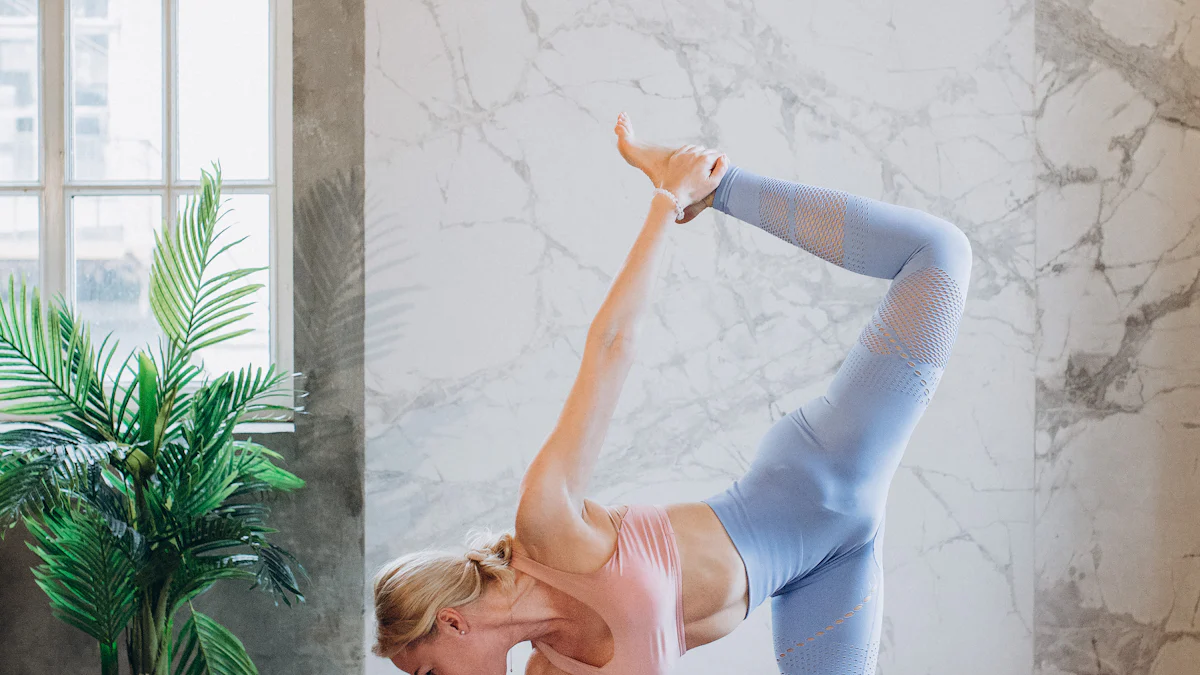
Knowing all yoga poses with names can transform your practice. Each pose offers unique benefits, from improving flexibility to enhancing mental clarity. Regular yoga practice can significantly reduce stress and anxiety; studies show that 98.4% of practitioners experience less stress. You’ll also find that yoga encourages healthier habits, making it a holistic approach to well-being. So, whether you’re a beginner or looking to deepen your practice, exploring these all yoga poses with names can lead to a more balanced life.
Key Takeaways
Incorporating yoga poses into your routine can significantly reduce stress and anxiety, promoting overall mental well-being.
Regular practice of standing poses like Warrior I and II builds strength, stability, and flexibility, counteracting the effects of prolonged sitting.
Seated poses such as Easy Pose and Seated Forward Bend enhance relaxation and mindfulness, making them perfect for meditation.
Restorative poses like Child's Pose and Corpse Pose are essential for deep relaxation and stress relief, helping you recharge after a busy day.
Inverted poses, including Downward-Facing Dog and Shoulder Stand, improve circulation and mental clarity, offering a fresh perspective on your practice.
Balance poses like Tree Pose and Warrior III enhance coordination and body awareness, boosting your confidence and focus.
Consistency is key; aim to practice yoga two to three times a week to fully experience its physical and mental benefits.
Standing Poses
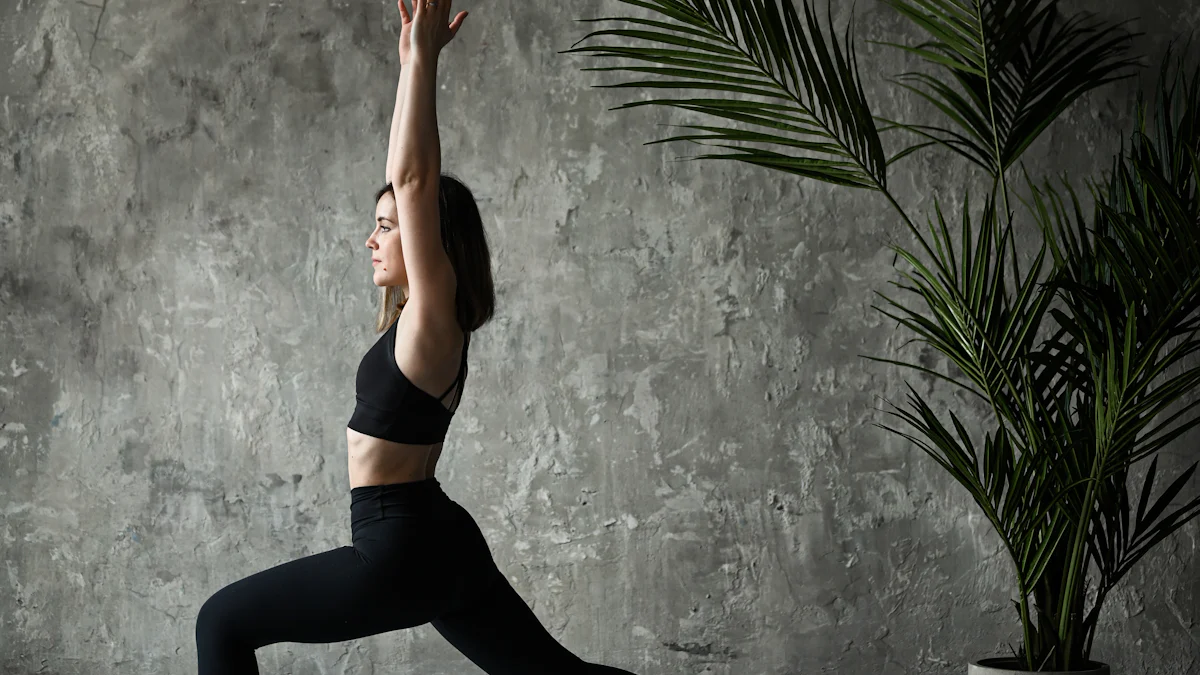
Standing poses form the foundation of many yoga practices. They build strength and stability in your legs, glutes, and core muscles. You’ll notice improvements in balance and flexibility as you incorporate these poses into your routine. Plus, they help counteract the negative effects of prolonged sitting, promoting overall physical well-being.
Mountain Pose (Tadasana)
Mountain Pose, or Tadasana, serves as a great starting point. Stand tall with your feet together, grounding yourself through your feet. Engage your thighs and lift your chest. Breathe deeply and feel the energy flow through your body. This pose enhances your posture and helps you connect with your breath. It also strengthens your Muladhara, or root chakra, which promotes stability and grounding.
"Mountain Pose is the foundation for all standing poses."
Warrior I (Virabhadrasana I)
Warrior I, or Virabhadrasana I, empowers you. Step one foot back while bending your front knee. Keep your back leg straight and your hips facing forward. Raise your arms overhead, palms together. This pose builds strength in your legs and opens your chest. You’ll feel a surge of confidence as you hold this pose. It also improves focus and concentration, making it a perfect addition to your practice.
Warrior II (Virabhadrasana II)
Warrior II, or Virabhadrasana II, takes your strength to the next level. From Warrior I, open your hips and shoulders to face the side. Extend your arms parallel to the ground, gazing over your front hand. This pose enhances your stamina and balance. It also stretches your legs and groin, promoting flexibility. As you practice, you’ll notice an increase in body awareness and self-care.
Incorporating these standing poses into your daily routine can lead to significant benefits. You’ll build strength, improve flexibility, and enhance your overall well-being. So, step onto your mat and embrace the power of these essential yoga poses.
Tree Pose (Vrksasana)
Tree Pose, or Vrksasana, helps you improve balance and focus. Stand tall with your feet together. Shift your weight onto one leg. Bend the opposite knee and place your foot on the inner thigh or calf of the standing leg. Avoid the knee. Bring your hands to your heart or raise them overhead. Hold this pose and feel the grounding energy flow through your body.
This pose strengthens your legs and core. It also opens your hips and enhances your concentration. As you practice Tree Pose, you’ll notice an increase in stability and body awareness. You’ll also find that it counters the negative effects of prolonged sitting, promoting overall physical well-being.
"Tree Pose teaches you to find balance in both body and mind."
Triangle Pose (Trikonasana)
Triangle Pose, or Trikonasana, offers a fantastic stretch for your entire body. Start by standing with your feet wide apart. Turn your right foot out and your left foot slightly in. Extend your arms parallel to the ground. As you exhale, reach your right hand toward your right foot while keeping your left arm extended upward. Look up at your left hand.
This pose stretches your legs, groin, and torso. It also strengthens your core and improves flexibility. Triangle Pose encourages you to open your chest and shoulders, enhancing your breathing. You’ll feel a sense of openness and clarity as you hold this pose.
Incorporating these essential yoga poses into your routine can lead to significant benefits. You’ll build strength, improve flexibility, and enhance your overall well-being. So, step onto your mat and embrace the power of these all yoga poses with names.
Seated Poses
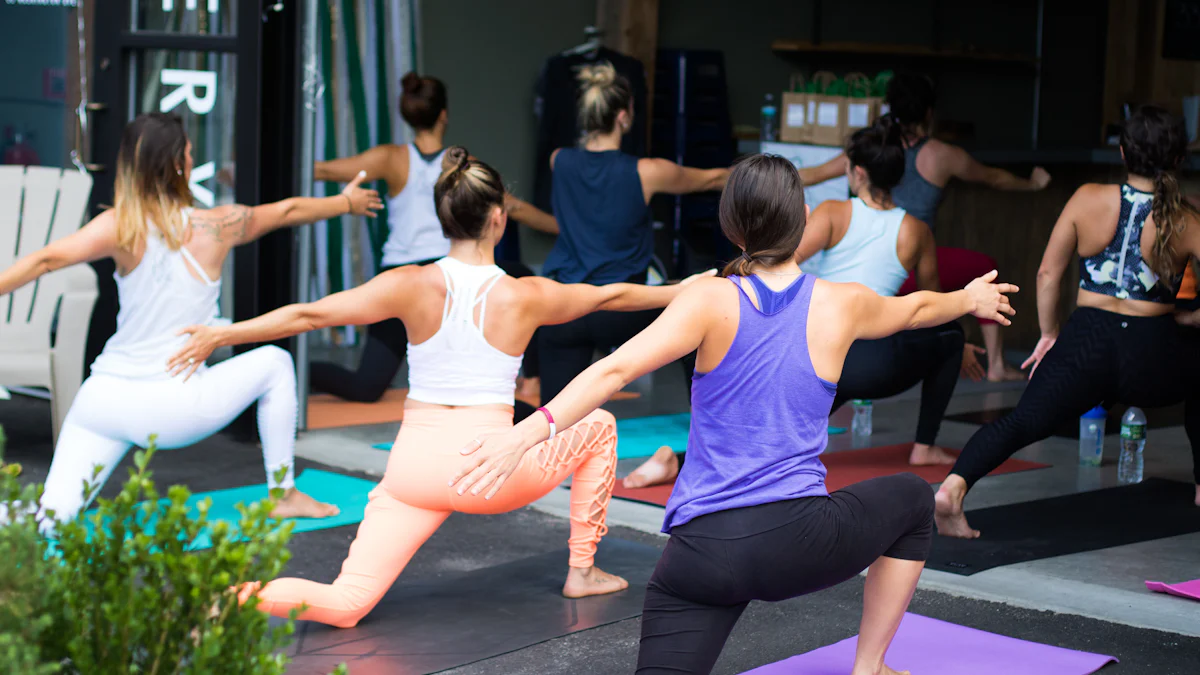
Seated poses offer a wonderful way to ground yourself and find inner peace. They help you connect with your breath and calm your mind. You can practice these poses anywhere, making them perfect for a quick break during your day. Let’s explore some essential seated poses that can enhance your yoga practice.
Easy Pose (Sukhasana)
Easy Pose, or Sukhasana, is a simple yet effective way to sit comfortably. Cross your legs and rest your hands on your knees. Keep your spine straight and your shoulders relaxed. Close your eyes and take deep breaths. This pose encourages relaxation and helps you focus inward.
You’ll find that Sukhasana opens your hips and promotes flexibility. It also calms your mind, making it easier to meditate. Many practitioners use this pose as a starting point for their meditation practice.
"Easy Pose invites you to find comfort in stillness."
Seated Forward Bend (Paschimottanasana)
Seated Forward Bend, or Paschimottanasana, stretches your entire back and hamstrings. Sit with your legs extended in front of you. Inhale deeply, then exhale as you reach forward toward your feet. Keep your spine long and avoid rounding your back.
This pose not only stretches your body but also soothes your nervous system. It can relieve stress and anxiety, helping you feel more centered. Research shows that forward bends like this one can improve digestion and alleviate back pain.
You’ll notice a sense of calm wash over you as you hold this pose.
Bound Angle Pose (Baddha Konasana)
Bound Angle Pose, or Baddha Konasana, opens your hips and groin. Sit with your legs bent and the soles of your feet together. Hold your feet with your hands and gently press your knees toward the ground. Keep your back straight and breathe deeply.
This pose enhances flexibility in your hips and thighs. It also stimulates your pelvic area, promoting better circulation. Many people find that practicing Baddha Konasana helps relieve tension in the lower back.
As you practice, you’ll feel a sense of openness and release.
Incorporating these seated poses into your routine can lead to significant benefits. You’ll improve your flexibility, calm your mind, and enhance your overall well-being. So, find a comfortable spot, sit down, and embrace the power of these essential yoga poses.
Hero Pose (Virasana)
Hero Pose, or Virasana, offers a great way to stretch your legs and open your hips. Start by kneeling on the floor. Keep your knees together and your feet slightly wider than your hips. Sit back between your heels, ensuring your weight rests evenly. If this position feels uncomfortable, place a cushion or blanket under your sit bones for support.
This pose enhances flexibility in your thighs and ankles. It also improves circulation in your legs. As you hold Hero Pose, focus on your breath. You’ll find that it calms your mind and helps you connect with your inner self. Many practitioners appreciate how this pose prepares them for meditation.
"Hero Pose invites you to find strength and stability within."
Staff Pose (Dandasana)
Staff Pose, or Dandasana, is a fundamental seated posture that promotes good posture and alignment. Sit on the floor with your legs extended in front of you. Flex your feet and press your heels into the ground. Sit up tall, engaging your core and lengthening your spine. Rest your hands beside your hips, fingers pointing forward.
This pose strengthens your back and improves your posture. It also stretches your hamstrings and calves. As you practice Staff Pose, focus on your breath. You’ll notice how it encourages mindfulness and presence. Many find that this pose serves as a great starting point for more advanced seated poses.
Incorporating these essential seated poses into your routine can lead to significant benefits. You’ll improve your flexibility, calm your mind, and enhance your overall well-being. So, find a comfortable spot, sit down, and embrace the power of these all yoga poses with names.
Restorative Poses
Restorative poses offer a chance to relax and rejuvenate. They help you unwind after a long day. These poses promote deep relaxation and can significantly reduce stress. You’ll find that incorporating restorative poses into your routine enhances your overall well-being.
Child's Pose (Balasana)
Child's Pose, or Balasana, is a gentle way to stretch your back and hips. Start by kneeling on the floor. Sit back on your heels and extend your arms forward on the mat. Allow your forehead to rest on the ground. Breathe deeply and feel the tension melt away.
This pose calms your mind and soothes your nervous system. Research shows that practicing Child's Pose can help reduce stress hormones in your body. You’ll find it a perfect way to reconnect with yourself during a busy day.
"Child's Pose invites you to embrace stillness and find peace within."
Legs-Up-the-Wall Pose (Viparita Karani)
Legs-Up-the-Wall Pose, or Viparita Karani, offers a refreshing inversion that promotes relaxation. Sit next to a wall and lie back, swinging your legs up against it. Keep your arms relaxed at your sides. Close your eyes and breathe deeply.
This pose improves circulation and helps relieve tension in your legs. It also calms your mind and reduces anxiety. Many practitioners find that this pose enhances their mood and promotes a sense of tranquility.
"Legs-Up-the-Wall Pose encourages you to let go and simply be."
Corpse Pose (Savasana)
Corpse Pose, or Savasana, is the ultimate relaxation pose. Lie flat on your back with your legs extended and arms at your sides. Close your eyes and focus on your breath. Allow your body to sink into the ground.
This pose helps you integrate the benefits of your practice. It promotes deep relaxation and can significantly reduce stress. Studies suggest that regular practice of Savasana can enhance your mental clarity and emotional stability.
You’ll find that taking time for Savasana allows you to recharge and reconnect with your inner self.
Incorporating these restorative poses into your routine can lead to significant benefits. You’ll enhance your relaxation, reduce stress, and improve your overall well-being. So, take a moment to unwind and embrace the power of these essential yoga poses.
Supported Bridge Pose (Setu Bandhasana)
Supported Bridge Pose, or Setu Bandhasana, offers a gentle way to open your chest and stretch your spine. Start by lying on your back with your knees bent and feet flat on the floor, hip-width apart. Place a block or cushion under your sacrum for support. This position allows you to relax while still receiving the benefits of the pose.
As you breathe deeply, feel the gentle lift of your hips. This pose strengthens your back and opens your heart. You’ll also notice how it calms your mind and reduces stress. Many practitioners find that practicing Supported Bridge Pose helps alleviate tension in the lower back.
"Supported Bridge Pose invites you to find comfort and ease in your practice."
Incorporating this pose into your routine can enhance your overall well-being. It promotes relaxation and encourages mindfulness. You might even find it a perfect way to unwind after a long day.
Reclining Bound Angle Pose (Supta Baddha Konasana)
Reclining Bound Angle Pose, or Supta Baddha Konasana, is a wonderful way to relax and release tension in your hips. Start by lying on your back. Bring the soles of your feet together and let your knees fall open to the sides. You can place cushions or blocks under your knees for added support.
As you settle into this pose, focus on your breath. Feel the gentle stretch in your inner thighs and hips. This pose not only enhances flexibility but also calms your nervous system. Research shows that poses like this one can significantly reduce stress hormones in your body.
You’ll find that Reclining Bound Angle Pose encourages a sense of tranquility. It’s an excellent choice for winding down after a busy day or preparing for meditation.
"Reclining Bound Angle Pose invites you to embrace relaxation and find peace within."
Incorporating these restorative poses into your routine can lead to significant benefits. You’ll enhance your relaxation, reduce stress, and improve your overall well-being. So, take a moment to unwind and embrace the power of these essential yoga poses.
Inverted Poses
Inverted poses can transform your yoga practice. They offer unique benefits, such as improving circulation and enhancing mental clarity. You’ll find that these poses challenge your body while providing a refreshing perspective. Let’s dive into some essential inverted poses that can elevate your practice.
Downward-Facing Dog (Adho Mukha Svanasana)
Downward-Facing Dog, or Adho Mukha Svanasana, is a staple in many yoga routines. Start on your hands and knees. Tuck your toes and lift your hips toward the ceiling. Straighten your legs and press your heels toward the ground. Keep your head between your arms, and breathe deeply.
This pose stretches your entire body. It strengthens your arms, legs, and core. You’ll notice an increase in flexibility and strength as you hold this pose. Many practitioners find that Downward-Facing Dog helps relieve tension in the back and neck.
"Downward-Facing Dog rejuvenates your body and mind."
Shoulder Stand (Sarvangasana)
Shoulder Stand, or Sarvangasana, is often called the queen of poses. Lie on your back and lift your legs overhead. Support your lower back with your hands. Keep your elbows close together and your neck relaxed. Hold this pose while breathing steadily.
This pose improves circulation and stimulates your thyroid gland. You’ll feel a sense of calm wash over you as you practice. Many studies show that inversions like this one can enhance your mood and reduce anxiety.
"Shoulder Stand encourages you to embrace stillness and balance."
Plow Pose (Halasana)
Plow Pose, or Halasana, follows naturally from Shoulder Stand. From the shoulder stand position, lower your legs over your head. Keep your feet flexed and your arms extended along the floor. Breathe deeply and relax your neck.
This pose stretches your spine and shoulders. It also calms your mind and relieves stress. Practicing Plow Pose can enhance your overall flexibility and promote a sense of tranquility.
Incorporating these inverted poses into your routine can lead to significant benefits. You’ll improve your strength, flexibility, and mental clarity. So, take a moment to explore these essential yoga poses and enjoy the unique perspective they offer.
Handstand (Adho Mukha Vrksasana)
Handstand, or Adho Mukha Vrksasana, brings excitement to your practice. This pose challenges your strength and balance. Start in a downward-facing dog position. Walk your feet closer to your hands. Kick one leg up while pushing through your arms. Engage your core and lift your other leg to join it.
Holding a handstand requires focus and determination. You’ll build upper body strength and improve your balance. Many practitioners find that this pose boosts their confidence. As you master the handstand, you’ll notice a sense of accomplishment.
"Handstand teaches you to embrace your strength and face your fears."
Forearm Stand (Pincha Mayurasana)
Forearm Stand, or Pincha Mayurasana, offers a fantastic way to develop strength and stability. Start on your knees and place your forearms on the ground. Interlace your fingers behind your head. Tuck your toes and lift your hips, walking your feet closer to your body. Kick one leg up, followed by the other.
This pose strengthens your shoulders and core. You’ll also enhance your balance and flexibility. Many find that practicing Forearm Stand helps improve their overall posture. Research shows that poses like this one can promote spinal alignment and reduce back pain.
As you hold this pose, focus on your breath. Feel the energy flow through your body. You’ll discover a new level of control and awareness.
Incorporating these inverted poses into your routine can lead to significant benefits. You’ll improve your strength, flexibility, and mental clarity. So, take a moment to explore these essential yoga poses and enjoy the unique perspective they offer.
Balance Poses
Balance poses challenge your stability and focus. They enhance your coordination and strengthen your core. Practicing these poses can improve your overall body awareness. Let’s explore some essential balance poses that will elevate your yoga practice.
Eagle Pose (Garudasana)
Eagle Pose, or Garudasana, offers a fantastic way to improve your balance and concentration. Start by standing tall. Bend your knees slightly and lift your right leg. Wrap your right leg around your left leg, tucking your foot behind your calf. Extend your arms forward, crossing them at the elbows. Wrap your right arm around your left arm, bringing your palms together.
Hold this pose while focusing on a point in front of you. This pose strengthens your legs and improves your posture. You’ll also notice how it enhances your mental clarity. As you practice, remember to breathe deeply.
"Eagle Pose teaches you to find balance in the midst of chaos."
Dancer's Pose (Natarajasana)
Dancer's Pose, or Natarajasana, brings grace and strength to your practice. Start by standing tall. Shift your weight onto your left leg. Bend your right knee and grab your right ankle with your right hand. Extend your left arm forward for balance.
As you lift your right leg behind you, keep your chest open and your gaze forward. This pose stretches your shoulders and thighs while improving your balance. You’ll feel a sense of freedom as you hold this pose. Many practitioners find that Dancer's Pose boosts their confidence and enhances their focus.
"Dancer's Pose invites you to express your inner strength and grace."
Half Moon Pose (Ardha Chandrasana)
Half Moon Pose, or Ardha Chandrasana, challenges your balance while offering a beautiful stretch. Start in a standing position. Shift your weight onto your left leg and extend your right leg behind you. Lower your right hand to the ground or a block while lifting your left arm toward the ceiling.
Keep your body in a straight line from your left foot to your fingertips. This pose strengthens your legs and core while improving your flexibility. You’ll notice how it opens your hips and enhances your focus. As you practice, remember to breathe deeply and enjoy the sensation of balance.
"Half Moon Pose encourages you to find harmony within yourself."
Incorporating these balance poses into your routine can lead to significant benefits. You’ll improve your coordination, enhance your focus, and strengthen your overall body awareness. So, step onto your mat and embrace the power of these essential yoga poses.
Warrior III (Virabhadrasana III)
Warrior III, or Virabhadrasana III, challenges your balance and strength. Start by standing tall. Shift your weight onto your right leg. Lift your left leg behind you while leaning your torso forward. Extend your arms in front of you, parallel to the ground. Keep your body in a straight line from your fingertips to your lifted foot.
This pose builds stability and enhances focus. You’ll engage your core and strengthen your legs. As you hold Warrior III, concentrate on a point in front of you. This helps maintain your balance. Many practitioners find that this pose boosts their confidence and improves their overall body awareness.
"Warrior III teaches you to find strength in stillness."
Practicing Warrior III can also improve your mental clarity. Research shows that consistent yoga practice reduces stress levels. Just three months of regular practice can help you feel more centered and calm. So, embrace the challenge of this pose. You’ll notice how it enhances both your physical and mental well-being.
Crow Pose (Bakasana)
Crow Pose, or Bakasana, adds an exciting twist to your practice. This arm balance requires strength and focus. Start in a squat position with your feet close together. Place your hands on the mat, shoulder-width apart. Bend your elbows slightly and lift your hips.
Shift your weight forward and place your knees on the backs of your upper arms. Engage your core and lift your feet off the ground. Hold this pose while focusing on your breath. You’ll feel a rush of energy as you balance on your hands.
"Crow Pose invites you to embrace your inner strength and courage."
This pose not only builds upper body strength but also enhances your concentration. Many find that practicing Crow Pose helps reduce anxiety and boosts their mood. Yoga has shown to be effective in managing stress, making it a valuable tool for your mental health.
So, take a deep breath and give Crow Pose a try. You’ll discover a new level of control and awareness in your practice. Embrace the challenge and enjoy the journey of mastering this essential yoga pose.
Practicing these essential yoga poses brings numerous benefits. You enhance your flexibility, strength, and mental clarity. Incorporating all yoga poses with names into your daily routine can significantly improve your overall well-being. Remember to focus on your breath and stay mindful during your practice. This connection deepens your experience and promotes relaxation. So, roll out your mat, embrace these poses, and enjoy the journey toward a healthier, more balanced life.
FAQ
What are the benefits of practicing yoga poses?
Practicing yoga poses offers numerous benefits. You can improve your flexibility, strength, and balance. Regular practice enhances your mental clarity and reduces stress. Studies show that yoga can lower anxiety and improve sleep quality. Inversions, like Downward-Facing Dog, promote better blood circulation, which supports overall cardiovascular health.
How often should I practice yoga?
Aim to practice yoga at least two to three times a week. Consistency is key to experiencing the benefits. Even short sessions can make a difference. If you can, try to incorporate a few minutes of yoga into your daily routine. This helps you stay connected to your body and mind.
Can beginners do all these poses?
Absolutely! Many poses in this guide cater to beginners. Start with foundational poses like Mountain Pose and Easy Pose. As you gain confidence and strength, gradually explore more challenging poses. Listen to your body and modify poses as needed. Remember, yoga is about progress, not perfection.
Do I need special equipment for yoga?
You don’t need much to start practicing yoga. A yoga mat provides a comfortable surface. You might also find blocks and straps helpful for support and alignment. Wear comfortable clothing that allows for movement. Most importantly, bring an open mind and a willingness to learn.
How can I improve my balance in yoga poses?
Improving balance takes practice. Focus on engaging your core muscles and finding a focal point to help stabilize yourself. Poses like Tree Pose and Warrior III are excellent for building balance. Regular practice will enhance your stability over time. Don’t get discouraged; balance improves with consistency.
What should I do if I feel pain during a pose?
If you feel pain, stop immediately. Pain signals that something isn’t right. Adjust your position or try a modified version of the pose. Always listen to your body. If discomfort persists, consult a healthcare professional or a certified yoga instructor for guidance.
How do I incorporate mindfulness into my practice?
Mindfulness in yoga involves focusing on your breath and being present in the moment. Pay attention to how your body feels in each pose. Use your breath to guide your movements. Practicing mindfulness enhances your overall experience and helps you connect deeper with your practice.
Can yoga help with stress relief?
Yes! Yoga is a powerful tool for stress relief. Poses like Child's Pose and Corpse Pose promote relaxation and calm the nervous system. Research shows that yoga can lower stress hormones in your body. Regular practice helps you manage stress more effectively and improves your overall well-being.
How long should I hold each pose?
Hold each pose for about 30 seconds to one minute, depending on your comfort level. Focus on your breath and allow your body to relax into the pose. As you become more experienced, you can hold poses longer. Always prioritize quality over quantity in your practice.
Are there any risks associated with yoga?
While yoga is generally safe, some risks exist. Practicing without proper guidance can lead to injury. Always listen to your body and avoid pushing yourself too hard. If you have any pre-existing conditions, consult a healthcare professional before starting a new yoga practice.
See Also
5 Effective Yoga Stretches for Improved Hip Flexibility
A Simple Guide to Hatha Yoga Class Sequences
Beginner's Guide: Simple Tips for Starting Yoga
Hi my name is Lia and i am your host in this yoga journey in Portugal, Subscribe to our newsletter to receive every week the best of Yoga in Portugal.

We bring back the importance of initiation into womanhood by Roos-Veerle Krijnen & Ella-June Henrard
Welcome to the Women’s Initiation Retreat by Naked Truth Retreats, a transformative journey into the depths of your True Feminine Nature. This retreat invites you to remember the sacredness and wholeness of your being.
Roos-Veerle Krijnen & Ella-June Henrard