5 Easy Partner Yoga Stretches for Beginners

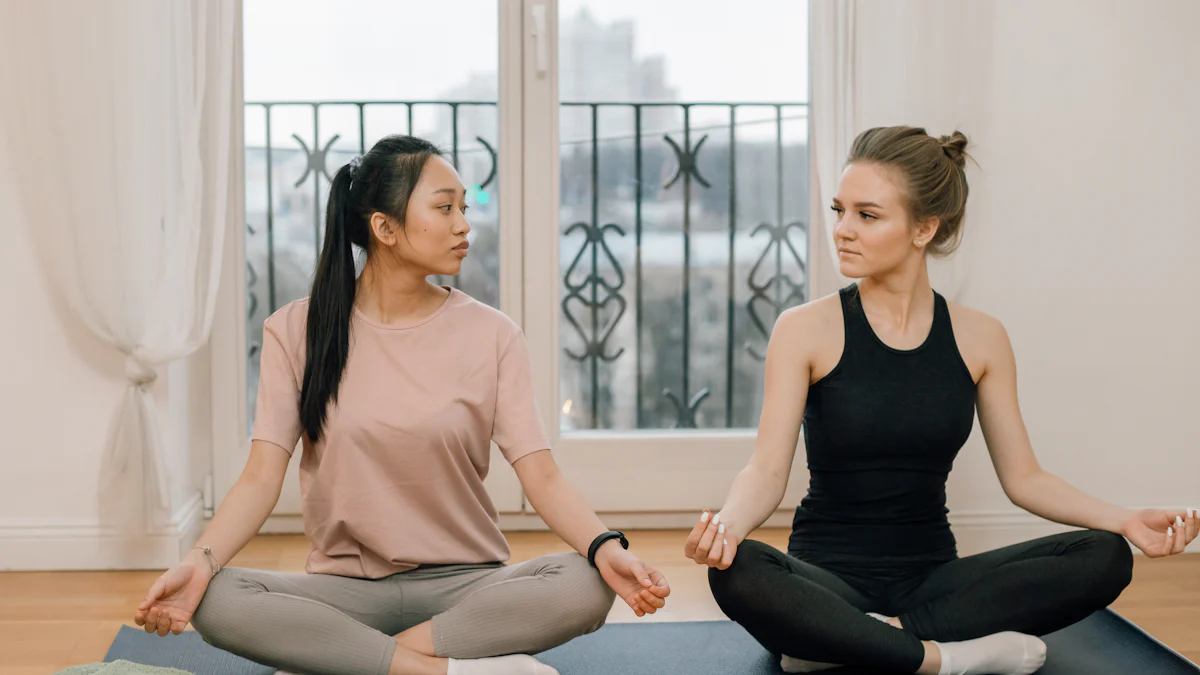
Partner yoga stretches offer a fantastic way for you to enhance flexibility while building trust with your partner. These stretches not only improve physical health but also foster deeper connections. Safety and communication play crucial roles in your practice. You should always check in with each other to ensure comfort and alignment. Engaging in these stretches together can create a sense of relaxation and intimacy, making your practice enjoyable and rewarding.
Key Takeaways
Partner yoga stretches enhance flexibility while fostering trust and connection with your partner.
Always communicate openly with your partner to ensure comfort and alignment during each stretch.
Engaging in these stretches together can reduce stress and boost your mood through the release of feel-good hormones.
Start with simple poses like the Seated Forward Bend to build confidence and deepen your connection.
Incorporate props like yoga blocks for support, especially if you're new to certain poses.
Make partner yoga a regular practice to strengthen your bond and improve overall well-being.
Encourage friends or loved ones to join you, sharing the joy and benefits of partner yoga.
Stretch 1: Seated Forward Bend
Description
The Seated Forward Bend is a calming pose that promotes flexibility and relaxation. This stretch allows you and your partner to connect while enhancing your spine's strength. As you both lean forward, you create a gentle pull that helps release tension in your back and hamstrings. This pose also encourages mindfulness, making it a perfect choice for beginners.
Step-by-Step Instructions
Sit facing each other: Start by sitting on the floor with your legs extended in front of you. Ensure you maintain a comfortable distance between you and your partner.
Hold hands: Reach out and grasp each other's wrists or forearms. This connection will help you maintain balance throughout the stretch.
Inhale and lengthen your spine: Take a deep breath in, sitting up tall. Feel your spine elongate as you prepare for the forward bend.
Exhale and fold forward: As you exhale, gently lean forward, drawing your chest towards your legs. Keep your back straight and avoid rounding your shoulders.
Support each other: Use your partner's grip to guide your movement. You can encourage each other to go deeper into the stretch while ensuring you both feel comfortable.
Hold the pose: Stay in this position for several breaths. Focus on your breathing and the connection with your partner.
Release and return: Slowly rise back to a seated position, releasing your partner's hands. Take a moment to reconnect before moving on to the next stretch.
Safety Tips
Listen to your body: Pay attention to how you feel during the stretch. If you experience any discomfort, ease off and adjust your position.
Communicate openly: Keep the lines of communication open with your partner. Let them know if you need to modify the stretch or if you feel any strain.
Maintain alignment: Ensure that both of you keep your spines straight as you fold forward. This alignment helps prevent injury and maximises the benefits of the stretch.
Use props if needed: If you find it challenging to reach your feet, consider using yoga blocks or cushions to support your hands.
Engaging in partner yoga stretches like the Seated Forward Bend not only enhances your physical practice but also strengthens your bond. As Nikhil Kapur, co-founder of Atmantan Wellness Centre, notes, “Partaking in partner yoga could help you embrace better posture and balance as your partner acts as a mirror.” This stretch exemplifies that idea beautifully.
Stretch 2: Partner Tree Pose
Description
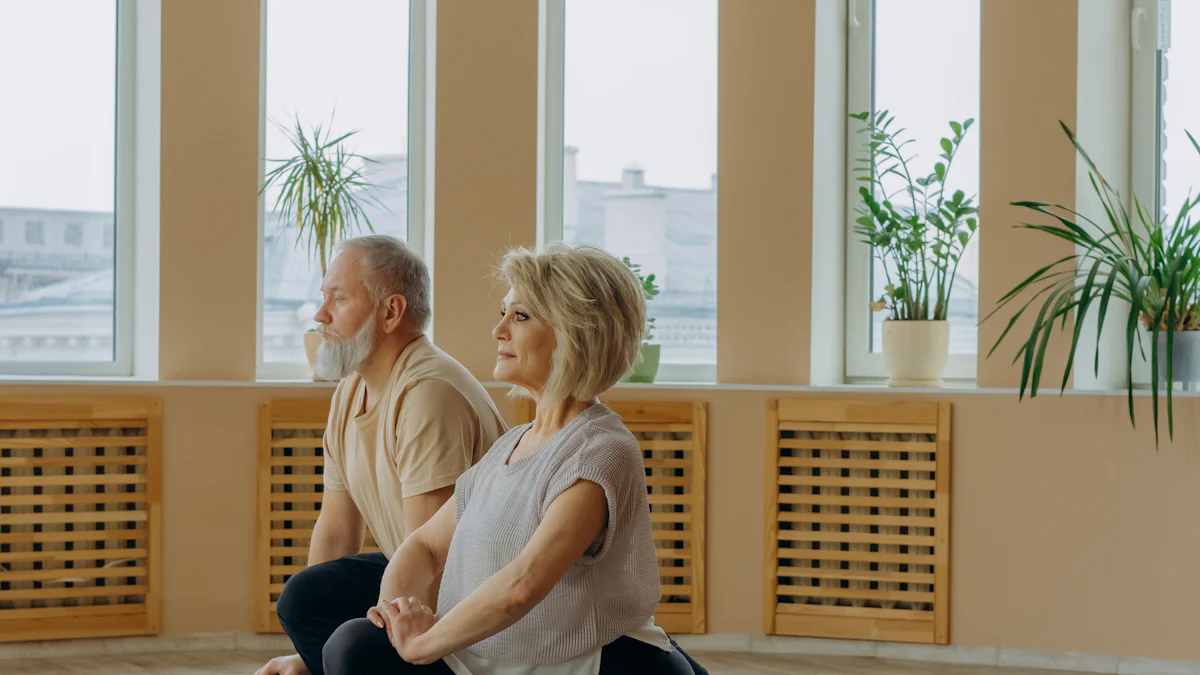
The Partner Tree Pose is a delightful way to enhance balance and stability while connecting with your partner. This pose opens up your shoulders, arms, and chest, promoting better alignment throughout your body. As you both stand tall, you create a beautiful image of unity and strength. It may feel a bit awkward at first, but with practice, you’ll find your rhythm. Trust and communication flourish as you support each other in this pose.
Step-by-Step Instructions
Stand facing each other: Begin by standing a few feet apart. Ensure you have enough space to move without feeling cramped.
Find your balance: Shift your weight onto your left foot. Bend your right knee and place your right foot against your left inner thigh or calf. Avoid placing it directly on your knee.
Reach out: Extend your arms towards each other. Grasp each other's wrists or forearms for support. This connection helps maintain balance.
Engage your core: Keep your core engaged to stabilise your body. Focus on a point in front of you to help maintain your balance.
Breathe and hold: Take deep breaths together. Hold the pose for several breaths, feeling the strength and connection between you.
Switch sides: After a few breaths, gently release and switch sides. Repeat the steps, this time balancing on your right foot.
Reconnect: Once you finish, take a moment to reconnect with your partner. Share how the pose felt and any adjustments you might need for next time.
Safety Tips
Communicate clearly: Always talk to your partner about how you feel during the pose. If you need to adjust or come out of the pose, let them know.
Focus on alignment: Keep your standing leg straight and your hips level. This alignment helps prevent strain and enhances the benefits of the stretch.
Use a wall if needed: If you struggle with balance, consider using a wall for support. This can help you build confidence before trying the pose without assistance.
Practice patience: It may take time to master this pose. Be patient with yourself and your partner as you learn together.
As Nikhil Kapur, co-founder of Atmantan Wellness Centre, points out, “Partaking in partner yoga could help you embrace better posture and balance as your partner acts as a mirror.” This pose exemplifies that idea beautifully, allowing you to support each other while enhancing your practice.
Stretch 3: Double Downward Dog
Description
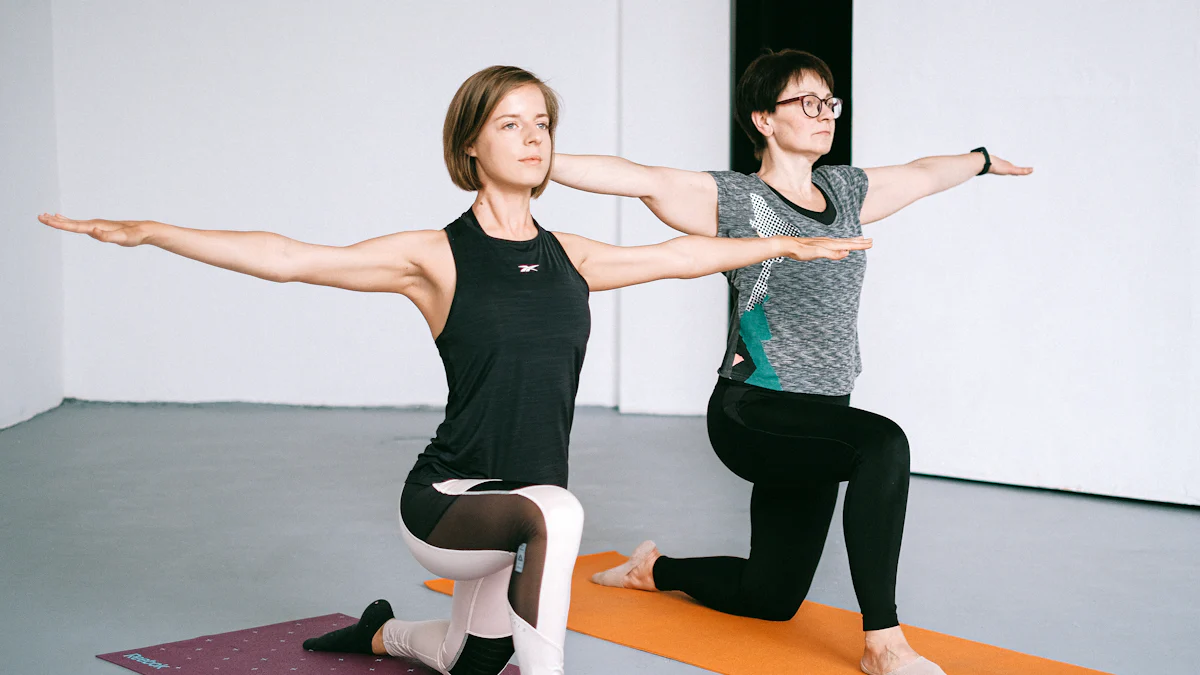
The Double Downward Dog builds on the foundational Downward Dog pose. This stretch requires both partners to synchronise their movements, creating a beautiful display of teamwork. You will feel the strength in your arms and legs as you support each other. This pose enhances communication, as you adjust your positions together. It also deepens your connection while providing a fun challenge.
Step-by-Step Instructions
Start in Downward Dog: Begin by facing each other in the Downward Dog position. Your hands should be shoulder-width apart, and your feet should be hip-width apart.
Align your bodies: Ensure that your bodies form an inverted "V" shape. Keep your spine straight and your heels pressing towards the ground.
Connect with your partner: Each of you should reach out and grasp the opposite partner's ankles. This connection will help you maintain balance and stability.
Engage your core: Activate your core muscles to support your lower back. This engagement will help you hold the pose longer and with more control.
Breathe together: Inhale deeply and exhale slowly. Focus on synchronising your breath with your partner. This practice enhances your connection and promotes relaxation.
Hold the pose: Stay in this position for several breaths. Feel the strength and support between you as you maintain the stretch.
Release gently: To come out of the pose, slowly release your partner's ankles and return to a standing position. Take a moment to reconnect and share your experience.
Safety Tips
Communicate openly: Always discuss how you feel during the pose. If you need to adjust or come out of the pose, let your partner know.
Focus on alignment: Keep your spines straight and your hips level. Proper alignment helps prevent strain and maximises the benefits of the stretch.
Use props if necessary: If you find it challenging to maintain balance, consider using yoga blocks for support. This can help you build confidence in the pose.
Practice patience: Mastering this pose takes time. Be patient with yourself and your partner as you learn together.
A yoga therapist or physical therapist can help you learn how to adjust poses like Downward Dog to suit your needs. Start with the Double Downward Dog to enhance your partner yoga stretches.
Stretch 4: Partner Cat-Cow Stretch
Description
The Partner Cat-Cow Stretch is a fantastic way to warm up your spine and improve flexibility. This stretch encourages movement in your back while you and your partner synchronise your motions. As you alternate between arching and rounding your backs, you create a gentle flow that enhances your connection. This pose not only promotes spinal health but also fosters communication between you and your partner. Remember, moving the spine brings nutrition to the joints, which is essential for longevity and helps prevent degeneration of the spine, as noted by David Lee, a sports chiropractor and mobility specialist.
Step-by-Step Instructions
Get into position: Start by kneeling on all fours, facing each other. Ensure your wrists are aligned under your shoulders and your knees are under your hips.
Establish a connection: Look into each other's eyes. This connection helps you stay in sync throughout the stretch.
Inhale and arch your back: As you breathe in, drop your belly towards the floor and lift your head and tailbone towards the ceiling. This is the "Cow" position.
Exhale and round your back: As you exhale, tuck your chin to your chest and round your back towards the ceiling. This is the "Cat" position.
Flow together: Continue to alternate between the Cat and Cow positions. Move in unison, matching your breath with your partner's movements.
Hold the stretch: After several rounds, hold the Cow position for a few breaths, then transition to the Cat position and hold again. Feel the stretch in your spine and the connection with your partner.
Finish gently: Slowly return to a neutral position. Take a moment to reconnect and share how the stretch felt.
Safety Tips
Communicate throughout: Always check in with your partner during the stretch. Let them know if you need to adjust or if something feels uncomfortable.
Focus on alignment: Keep your wrists, shoulders, and hips aligned. Proper alignment helps prevent strain and maximises the benefits of the stretch.
Move slowly: Take your time transitioning between positions. Rushing can lead to injury or discomfort.
Listen to your body: Pay attention to how your body feels. If you experience any pain, ease off and modify the stretch as needed.
Engaging in the Partner Cat-Cow Stretch not only enhances your flexibility but also strengthens your bond. As you move together, you create a shared experience that deepens your connection.
Stretch 5: Supported Bridge Pose
Description
The Supported Bridge Pose offers a gentle way to stretch your hips and back. This restorative pose allows you to relax while opening your heart and improving your posture. You and your partner can support each other, creating a sense of safety and connection. As you lift your hips, you engage your core and strengthen your back. This stretch also helps release tight hip flexors, which often become tense from daily activities like sitting or driving.
Step-by-Step Instructions
Lie on your back: Start by lying down on your mat with your knees bent and feet flat on the floor. Position your feet hip-width apart.
Place a block or cushion: Grab a yoga block or a firm cushion. Lift your hips and slide the block underneath your sacrum for support. Adjust the height to ensure comfort.
Connect with your partner: Have your partner lie down next to you, facing the same direction. They can place their feet flat on the floor, mirroring your position.
Hold hands: Reach out and grasp each other's hands or forearms. This connection enhances your bond and provides reassurance.
Breathe deeply: Close your eyes and take deep breaths together. Focus on the rise and fall of your chests as you inhale and exhale.
Stay in the pose: Hold this position for several breaths. Feel the gentle stretch in your hips and the support from the block.
Release gently: To come out of the pose, slowly lower your hips back to the mat. Take a moment to reconnect with your partner and share your experience.
Safety Tips
Listen to your body: Pay attention to how you feel during the stretch. If you experience discomfort, adjust the block or your position.
Communicate openly: Always check in with your partner. Let them know if you need to modify the pose or if something feels off.
Focus on alignment: Ensure your knees stay aligned over your ankles. This alignment helps prevent strain and maximises the benefits of the stretch.
Use props wisely: If you don’t have a block, a firm cushion or even a rolled-up towel can work well. Find what feels best for you.
As Nikhil Kapur, co-founder of Atmantan Wellness Centre, states, “Partaking in partner yoga could help you embrace better posture and balance as your partner acts as a mirror.” The Supported Bridge Pose exemplifies this idea, allowing you to relax while receiving hands-on assistance from your partner.
Practising partner yoga stretches together brings numerous benefits. You enhance flexibility, reduce stress, and boost your mood. Research shows that engaging in these stretches releases feel-good hormones like dopamine and serotonin. Encourage your friends or loved ones to join you by sharing the fun and connection you experience. Invite them to try a session, highlighting how enjoyable it can be. Make partner yoga a regular practice to strengthen your bond and improve your overall well-being.
See Also
Ten Best Yoga Poses To Enjoy With A Partner
Fifteen Essential Yoga Poses For Couples To Try
Simple Yoga Practices For Newbies To Do At Home

Hi my name is Lia and i am your host in this yoga journey in Portugal, Subscribe to our newsletter to receive every week the best of Yoga in Portugal.

We bring back the importance of initiation into womanhood by Roos-Veerle Krijnen & Ella-June Henrard
Welcome to the Women’s Initiation Retreat by Naked Truth Retreats, a transformative journey into the depths of your True Feminine Nature. This retreat invites you to remember the sacredness and wholeness of your being.
Roos-Veerle Krijnen & Ella-June Henrard