10 Tips to Elevate Your Yoga Experience

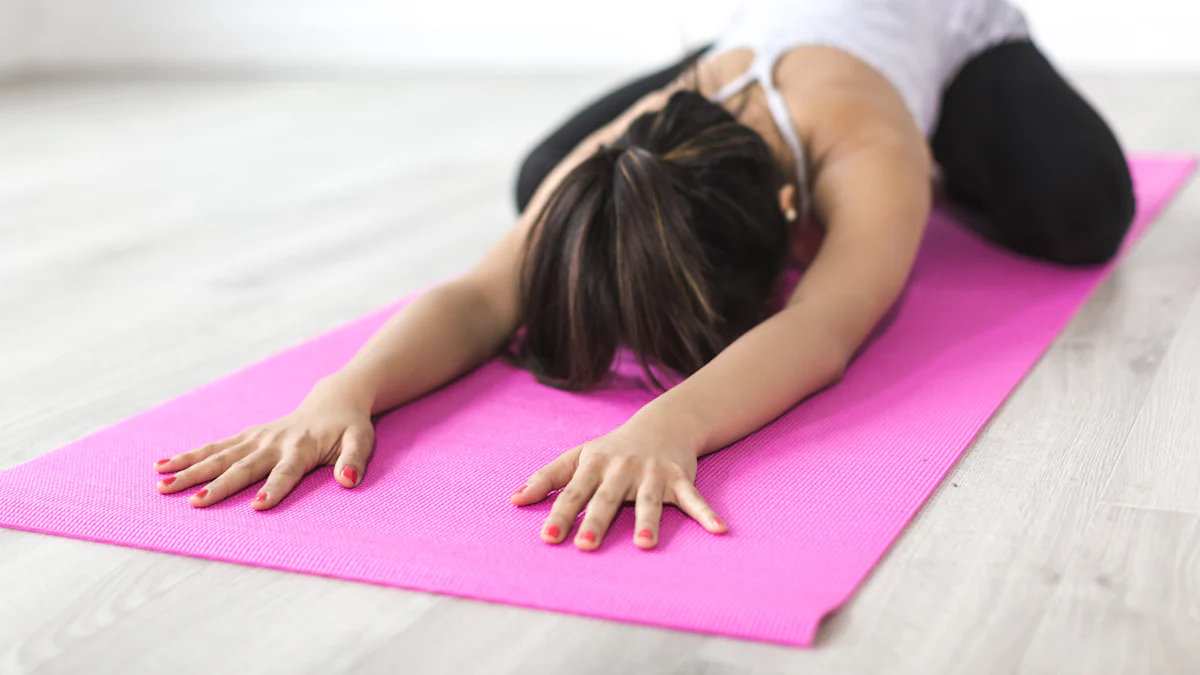
You want to enhance your yoga practice, and that’s a fantastic goal! A more appealing yoga experience can lead to greater relaxation, improved focus, and even a deeper connection with your body and mind. Regular practitioners often report feeling more at ease and less stressed. Why not explore the tips that follow? They can help you create a fulfilling practice that not only enriches your life but also brings joy to your journey on the mat, making it the sexiest yoga experience you can have.
Key Takeaways
Create a calming environment for your yoga practice by choosing a comfortable space, using soft lighting, and incorporating natural elements like plants.
Invest in quality yoga props such as mats, blocks, and straps to enhance your flexibility and support your practice.
Establish a consistent yoga routine by setting a regular schedule and creating a pre-yoga ritual to prepare your mind and body.
Incorporate mindfulness and intention into your sessions by setting a clear intention and practising breath awareness.
Explore different yoga styles and attend classes or workshops to keep your practice fresh and exciting.
Connect with a community of fellow yogis through local classes, online forums, or yoga retreats to share experiences and find inspiration.
Focus on nutrition and hydration to support your yoga practice, ensuring you eat mindfully and stay hydrated before and after sessions.
Create a Conducive Environment
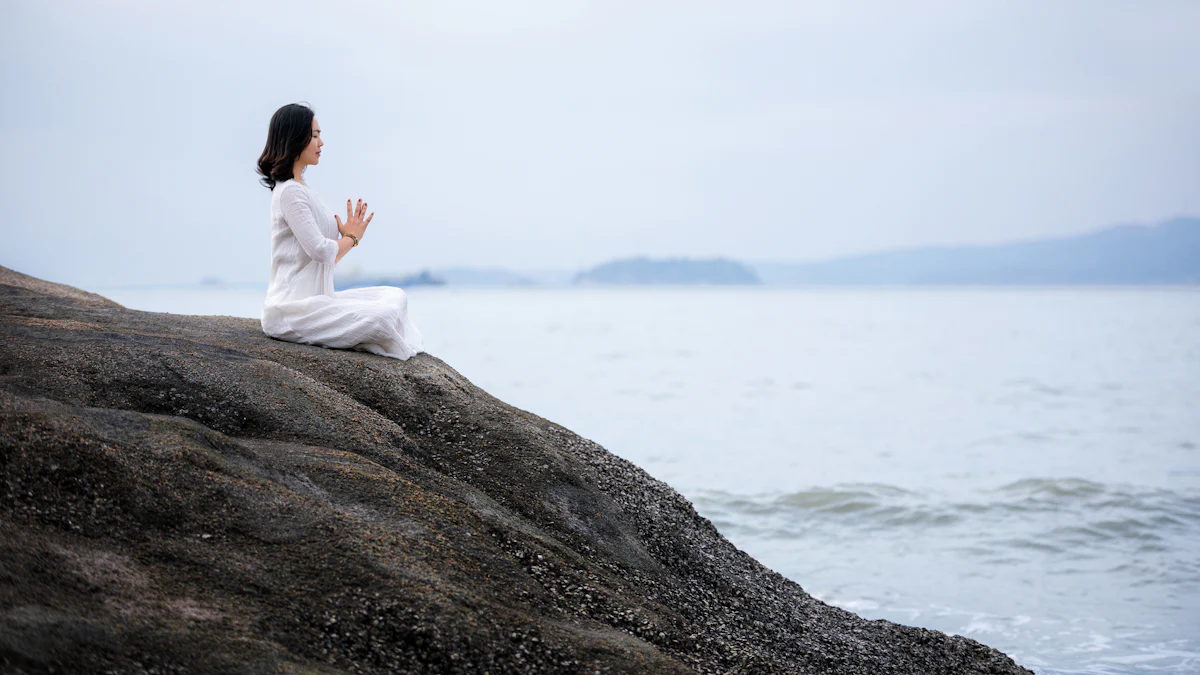
Creating the right environment for your yoga practice can significantly enhance your experience. A well-thought-out space helps you focus and relax, allowing you to connect more deeply with your body and mind. Here are some tips to help you set up a conducive environment.
Choose the Right Space
Select a space that feels comfortable and inviting. It could be a quiet corner of your home or a dedicated room. Ensure the area is free from distractions. You want to create a sanctuary where you can fully immerse yourself in your practice.
Consider the size of the space. A larger area allows for more movement, while a smaller space can feel cozier. Pay attention to the flooring as well. A flat, non-slippery surface works best for yoga.
Set the Mood with Lighting
Lighting plays a crucial role in creating the right atmosphere. Soft, warm lighting can help you relax and focus. If possible, use natural light during the day. Open the curtains and let the sunshine in.
At night, consider using candles or dimmable lamps. The flickering candlelight can create a calming effect. Avoid harsh overhead lights, as they can be distracting.
You might also want to experiment with coloured lights. Different colours can evoke various feelings. For instance, blue can promote calmness, while yellow can energise your spirit.
Incorporate Nature Elements
Bringing nature indoors can elevate your yoga experience. Plants not only purify the air but also add a sense of tranquillity. Consider placing a few potted plants around your practice space.
You can also use natural materials in your decor. Wooden props, cotton mats, and stone accents can create a harmonious environment.
If you have access to outdoor space, consider practising outside. The fresh air and sounds of nature can enhance your connection to the earth.
Incorporating these elements into your yoga space can lead to a more fulfilling practice. You’ll find that a conducive environment helps you focus better and enjoy your time on the mat.
Invest in Quality Props
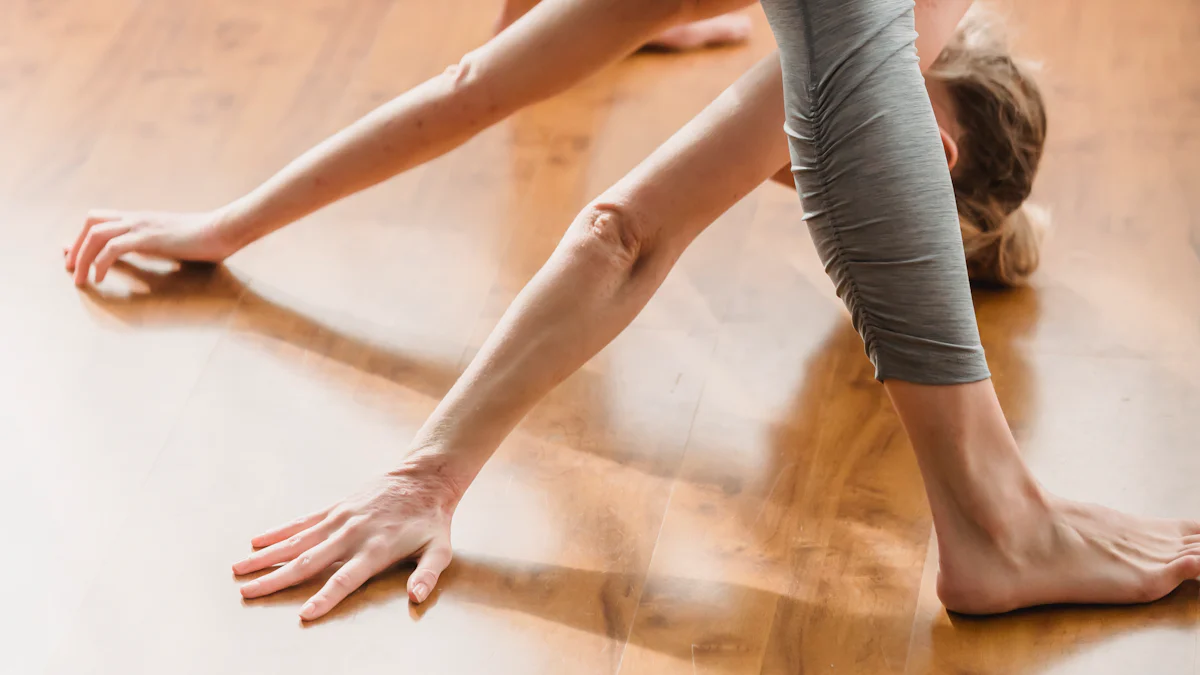
Using quality props can transform your yoga practice. They provide support, enhance your flexibility, and help you explore poses more deeply. Investing in the right equipment makes your sessions more enjoyable and effective. Here’s how you can make the most of yoga props.
Use a Comfortable Mat
A comfortable mat serves as the foundation for your practice. Choose one that offers enough cushioning and grip. A good mat prevents slipping and provides stability during your poses. Look for mats made from eco-friendly materials. They not only support your practice but also contribute to a healthier planet.
Consider the thickness of your mat. Thicker mats offer more cushioning, which is great for sensitive joints. If you prefer a firmer surface, opt for a thinner mat. Your choice depends on your comfort and style of practice.
Explore Blocks and Straps
Blocks and straps are fantastic tools for enhancing your flexibility. If you struggle with certain poses, these props can make them more accessible. For instance, use blocks to bring the floor closer to you in standing poses. They help you maintain proper alignment and deepen your stretches.
Straps assist in achieving better range of motion. You can use them to hold onto your foot in seated stretches or to support your arms in backbends. They allow you to explore poses without straining your body.
Don’t hesitate to experiment with these props. They can open up new possibilities in your practice and help you progress at your own pace.
Consider Blankets and Bolsters
Blankets and bolsters add comfort and support to your practice. Use blankets to cushion your knees or to sit on during meditation. They can also provide warmth during relaxation poses.
Bolsters offer extra support in restorative yoga. They help you relax into poses, allowing your body to release tension. You can place a bolster under your back in supported bridge pose or use it for gentle heart openers.
Incorporating these props into your routine can enhance your overall experience. They create a more inviting atmosphere and encourage you to explore your practice with ease.
By investing in quality props, you elevate your yoga journey. They not only support your physical practice but also enrich your connection to yoga. So, gather your props and enjoy the benefits they bring!
Establish a Consistent Routine
Creating a consistent routine can significantly enhance your yoga practice. Regularity helps you build momentum and deepen your connection to yoga. Here’s how you can establish a routine that works for you.
Set a Regular Schedule
Setting a regular schedule makes it easier to commit to your practice. Choose specific days and times that fit your lifestyle. Whether you prefer morning sessions to energise your day or evening practices to unwind, consistency is key.
Try to stick to your chosen times as much as possible. This habit reinforces your commitment and helps you develop a sense of discipline. Over time, you’ll notice that regular practice leads to improved flexibility, strength, and overall well-being.
Survey Results show that practitioners who engage in yoga regularly report higher levels of spiritual well-being. This connection between frequency and spirituality highlights the importance of making yoga a regular part of your life.
Create a Pre-Yoga Ritual
A pre-yoga ritual can set the tone for your practice. This ritual doesn’t have to be elaborate; it can be as simple as lighting a candle, playing soft music, or taking a few deep breaths.
Consider incorporating a few minutes of mindfulness before you step onto the mat. This practice helps you transition from the busyness of daily life to a more focused state. You might also want to set an intention for your session. This intention can guide your practice and keep you centred.
Creating this ritual makes your practice feel special. It prepares your mind and body, allowing you to fully engage in your yoga journey.
Track Your Progress
Tracking your progress can motivate you to stay committed. Keep a journal or use an app to log your sessions. Note the poses you practice, how you feel, and any improvements you notice.
Reflecting on your journey can reveal patterns and help you set achievable goals. For instance, if you notice that certain poses become easier over time, celebrate those small victories.
Regular practitioners often report a positive impact on their Health-Related Quality of Life (HRQOL). By tracking your progress, you can see how yoga enhances your physical and mental well-being.
Incorporating these elements into your routine can elevate your yoga experience. You’ll find that a consistent practice not only enriches your skills but also deepens your connection to yourself and the world around you.
Incorporate Mindfulness and Intention
Mindfulness and intention can transform your yoga practice. They help you connect with your body and mind on a deeper level. By incorporating these elements, you can create a more enriching experience on the mat. Here’s how to do it.
Set an Intention for Each Session
Setting an intention before you begin your practice can guide your focus. Think about what you want to achieve during your session. It could be as simple as cultivating peace or embracing strength. Whatever it is, let that intention shape your practice.
Take a moment to reflect on your intention. You might even want to write it down or say it aloud. This small act can reinforce your commitment and keep you centred throughout your practice.
Research shows that integrating mindfulness into your yoga sessions can lead to stress reduction and improved mental well-being. When you set a clear intention, you create a purpose for your practice, making it more meaningful.
Practice Breath Awareness
Breath awareness is a powerful tool in yoga. Focusing on your breath helps you stay present and calm. As you move through your poses, pay attention to your inhalations and exhalations. Notice how your breath flows with your movements.
You can try counting your breaths. Inhale for a count of four, hold for a count of four, and exhale for a count of four. This technique not only calms your mind but also enhances your concentration.
Studies indicate that breath awareness can improve brain functioning and promote relaxation. By practising this technique, you can deepen your connection to your body and enhance your overall experience.
Reflect Post-Practice
After your session, take a few moments to reflect. Consider how you felt during your practice. Did you notice any changes in your body or mind? Reflecting on your experience can help you recognise your progress and areas for growth.
You might want to journal your thoughts. Writing down your feelings can clarify your experiences and reinforce your intentions. This practice encourages you to celebrate your achievements, no matter how small.
Incorporating reflection into your routine can lead to greater self-awareness. It allows you to appreciate the journey of yoga, making it one of the sexiest yoga experiences you can have.
Explore Different Yoga Styles
Exploring different yoga styles can add excitement and variety to your practice. Each style offers unique benefits and challenges. You might discover new aspects of yourself along the way. Here’s how you can dive into various yoga styles.
Try Hatha, Vinyasa, or Yin
Start with Hatha Yoga. This style focuses on postures and breathing techniques. You hold poses for longer periods, allowing you to connect deeply with your breath and body. Hatha serves as a great foundation for beginners. It helps you learn the basics while emphasising proper alignment.
Next, consider Vinyasa Yoga. This dynamic style links breath with movement. You flow from one pose to another, creating a rhythm that energises your practice. Vinyasa can be more challenging, but it also offers a fun way to build strength and flexibility.
Don’t forget about Yin Yoga. This slower-paced style involves holding poses for several minutes. Yin targets deep connective tissues, promoting relaxation and flexibility. It’s perfect for winding down after a busy day.
Attend Workshops or Classes
Attending workshops or classes can deepen your understanding of yoga. Look for local studios that offer specialised sessions. Workshops often focus on specific styles or techniques. You can learn from experienced instructors who share their knowledge and insights.
Classes provide a structured environment. You’ll benefit from the guidance of a teacher who can help you refine your practice. Plus, being around fellow yogis creates a sense of community. You can share experiences and motivate each other.
Experiment with Online Resources
Online resources offer a wealth of options for exploring yoga. You can find countless videos and tutorials that cater to all levels. Platforms like YouTube host a variety of instructors and styles. This flexibility allows you to practice at your own pace and convenience.
Consider joining online classes or virtual workshops. Many studios now offer live-streamed sessions. This way, you can connect with teachers and fellow practitioners from the comfort of your home.
Don’t hesitate to explore different styles and resources. Each experience enriches your journey on the mat. You might just find a new favourite practice that resonates with you!
Connect with a Community
Connecting with a community can significantly enhance your yoga experience. Engaging with others who share your passion for yoga creates a supportive environment. You can learn, grow, and find inspiration together. Here are some ways to connect with fellow yogis.
Join a Local Class
Joining a local class offers a fantastic opportunity to meet like-minded individuals. You’ll find a sense of camaraderie as you practice together. Look for studios in your area that resonate with your style. Whether you prefer a gentle Hatha class or a dynamic Vinyasa flow, there’s something for everyone.
Instructors often create a welcoming atmosphere. They encourage interaction among students, making it easy to strike up conversations. You might even make lasting friendships. As Danielle Brand-Lemond shares, her yoga journey spans 25 years, and she emphasises the importance of community in her practice.
Participate in Online Forums
If you can’t find a local class or prefer the comfort of home, online forums provide a great alternative. Many platforms host vibrant communities where you can share experiences, ask questions, and seek advice.
Consider joining social media groups or dedicated yoga websites. Engaging in discussions can deepen your understanding of yoga. You’ll discover new techniques, tips, and resources. Plus, you can connect with practitioners from around the world.
Attend Yoga Retreats
Yoga retreats offer an immersive experience that allows you to dive deeper into your practice. These events often take place in serene locations, providing a perfect backdrop for relaxation and reflection.
During retreats, you’ll engage in daily yoga sessions, workshops, and group activities. This environment fosters connections with fellow participants. You’ll share your journey, learn from each other, and create lasting memories.
As Blair Hartwell notes, the vibrant community at retreats often inspires individuals to explore their yoga practice further. Attending a retreat can reignite your passion and motivate you to continue your journey.
Connecting with a community enriches your yoga experience. Whether you join a local class, participate in online forums, or attend retreats, you’ll find support and inspiration. Embrace these opportunities to deepen your practice and enjoy the journey together!
Enhance Your Knowledge
Expanding your knowledge about yoga can significantly enrich your practice. Understanding the philosophy behind yoga, following influential figures, and engaging with educational content can deepen your connection to this ancient discipline. Here’s how you can enhance your knowledge.
Read Books on Yoga Philosophy
Diving into books on yoga philosophy opens up a world of insights. You’ll discover the principles that underpin your practice. Consider reading classics like The Yoga Sutras of Patanjali or Light on Yoga by B.K.S. Iyengar. These texts provide a solid foundation and help you grasp the deeper meanings of yoga.
You might also explore contemporary works that discuss the spiritual aspects of yoga. Many authors highlight how regular practice enhances spiritual well-being. Research shows that practitioners who engage consistently with yoga report higher levels of spirituality and mindfulness. This connection between practice and spirituality can inspire you to delve deeper into your own journey.
Follow Yoga Influencers
Following yoga influencers on social media can keep you motivated and informed. Many practitioners share tips, tutorials, and insights that can enhance your understanding. Look for influencers who resonate with your style and values. They often provide a fresh perspective on poses, philosophy, and wellness.
Engaging with their content can spark new ideas for your practice. You might find inspiration in their stories or learn about different styles you haven’t tried yet. Plus, many influencers foster a sense of community, allowing you to connect with fellow yogis.
Watch Educational Videos
Watching educational videos can be an effective way to learn. Platforms like YouTube host a plethora of yoga tutorials and discussions on philosophy. You can find everything from beginner classes to advanced techniques. This variety allows you to explore different aspects of yoga at your own pace.
Consider following channels that focus on both physical practice and philosophical discussions. Many instructors break down complex concepts into digestible segments. This approach makes it easier for you to grasp the essence of yoga.
Incorporating these resources into your routine can elevate your practice. You’ll gain a deeper understanding of yoga’s benefits, including enhanced mindfulness and self-compassion. Embrace the journey of learning, and watch how it transforms your experience on the mat!
Incorporate Music and Sound
Music and sound can transform your yoga practice into a deeply immersive experience. They create an atmosphere that enhances relaxation and focus. Let’s explore how you can incorporate these elements into your sessions.
Create a Playlist for Your Practice
Crafting a playlist tailored to your practice can elevate your mood and energy. Choose tracks that resonate with you. Consider soft instrumentals or calming melodies that help you connect with your breath.
When selecting songs, think about the rhythm. A steady beat can guide your movements and synchronise with your breath. You might want to include tracks that gradually build in intensity, matching the flow of your practice.
Here are some tips for creating your playlist:
Keep it varied: Mix different genres to keep things interesting.
Limit lyrics: Instrumental music often works best, as lyrics can distract you.
Test it out: Try your playlist during practice. Adjust as needed to find what feels right.
Use Sound Bowls or Chimes
Integrating sound bowls or chimes into your practice can deepen your meditative state. The soothing tones of sound bowls resonate with your body, promoting relaxation and mindfulness.
You can use these instruments at the beginning or end of your session. Start with a few gentle strikes to signal the beginning of your practice. This sound can help you centre your thoughts and prepare for your session.
At the end, consider using sound bowls to signal the close of your practice. The calming vibrations can help you transition back to your day, leaving you feeling refreshed and centred.
Explore Guided Meditations
Guided meditations offer a fantastic way to enhance your yoga experience. They provide direction and support, helping you focus on your breath and intentions.
You can find numerous resources online, from apps to YouTube channels. Look for guided sessions that resonate with your goals. Whether you seek relaxation, focus, or self-discovery, there’s something for everyone.
Incorporating guided meditations into your routine can lead to significant benefits. Research shows that combining yoga with music therapy amplifies stress-relieving effects. The rhythm and melodies synchronise with your breath and movement, creating a harmonious experience that deepens relaxation.
By embracing music and sound in your practice, you create a richer, more fulfilling experience. So, gather your favourite tunes, explore sound bowls, and dive into guided meditations. Enjoy the journey as you elevate your yoga practice!
Focus on Nutrition and Hydration
Nutrition and hydration play a vital role in enhancing your yoga experience. What you eat and drink can significantly affect your energy levels, focus, and overall performance on the mat. Let’s explore how to optimise your nutrition and hydration for a more fulfilling practice.
Eat Mindfully Before Practice
Mindful eating before your yoga session can set the tone for your practice. Choose foods that nourish your body and provide sustained energy. Opt for light meals or snacks that are easy to digest. Think about fruits, nuts, or whole grains. These options fuel your body without weighing you down.
Consider timing your meals. Eating too close to your practice may lead to discomfort. Aim to eat at least an hour before you step onto the mat. This way, your body has time to digest, allowing you to focus on your poses rather than your stomach.
Mindful eating also involves paying attention to your hunger cues. Listen to your body. Eat when you’re hungry and stop when you’re satisfied. This practice fosters a positive relationship with food, which aligns beautifully with the mindfulness cultivated in yoga.
Stay Hydrated
Hydration is crucial for optimal performance during your yoga practice. Water helps maintain your energy levels and keeps your muscles functioning properly. Aim to drink water throughout the day, not just before your session.
Consider sipping water about 30 minutes before you start. This ensures you’re adequately hydrated without feeling bloated. During your practice, listen to your body. If you feel thirsty, take a sip. Staying hydrated helps you maintain focus and enhances your overall experience.
Research shows that regular yoga practitioners often report lower body mass indexes (BMIs) compared to those who don’t practice. Staying hydrated supports this by aiding digestion and metabolism. So, keep that water bottle handy!
Consider Post-Yoga Nutrition
Post-yoga nutrition is just as important as pre-practice meals. After your session, your body needs nutrients to recover and replenish energy. Focus on consuming a balanced meal that includes protein, healthy fats, and carbohydrates.
Think about options like a smoothie with spinach, banana, and protein powder. Or perhaps a quinoa salad with chickpeas and avocado. These meals help repair muscles and restore energy levels.
Don’t forget to hydrate again after your practice. Water helps flush out toxins and supports recovery. You might also consider electrolyte-rich drinks if you’ve had an intense session.
By focusing on nutrition and hydration, you enhance your yoga experience. You’ll feel more energised, focused, and connected to your practice. So, nourish your body well, and enjoy the journey on your mat!
Embrace the Journey
Celebrate Small Achievements
Every step you take in your yoga practice deserves recognition. Celebrate those small achievements, whether mastering a new pose or simply showing up on the mat. Each moment contributes to your growth. You might find joy in holding a challenging pose for a few extra breaths or noticing increased flexibility.
Think about how far you’ve come. Reflect on your journey. Perhaps you started yoga to relieve stress or improve your physical health. Now, you experience a deeper connection to yourself. Acknowledge these milestones. They fuel your motivation and remind you that progress takes time.
"Yoga has been one of my longest and most empowering relationships in my life." This sentiment resonates with many practitioners. Your journey mirrors this experience. Celebrate your unique path and the small victories along the way.
Be Patient with Yourself
Patience plays a crucial role in your yoga journey. You may encounter challenges, whether in mastering a pose or maintaining consistency. Remember, yoga is not a race. Each practice offers an opportunity to learn and grow.
Allow yourself to be a beginner. Embrace the learning process. You might struggle with certain poses today, but with time and practice, you will improve. As you cultivate patience, you create space for self-compassion.
When you face difficulties, remind yourself that everyone experiences ups and downs. Even seasoned practitioners have days when they feel off-balance. Your journey is uniquely yours, and it unfolds at your own pace.
Enjoy the Process of Learning
Learning is a beautiful aspect of yoga. Each session brings new insights and experiences. Enjoy the process, whether you explore different styles or deepen your understanding of yoga philosophy.
Consider how yoga has transformed your life. It offers liberation from daily anxieties and a chance to reconnect with your body and mind. As you engage with your practice, you discover more about yourself.
You might find joy in trying a new style or attending a workshop. Each experience enriches your journey. Embrace the excitement of learning. It makes your practice one of the sexiest yoga experiences you can have.
Discover the Sexiest Yoga Poses
Explore Flattering Asanas
Finding poses that flatter your body can boost your confidence on the mat. Consider trying Pigeon Pose. This pose opens your hips and stretches your thighs, making it a favourite for many. You might find it grounding, especially when life gets busy. When I feel overwhelmed, I often turn to Pigeon Pose. It helps me reconnect with my body and calm my mind.
Another great option is Warrior II. This pose not only strengthens your legs but also opens your chest and shoulders. You’ll feel powerful and poised as you hold this position. Remember, the key is to focus on your alignment. Keep your front knee over your ankle and your back leg strong.
Lastly, give Cobra Pose a go. This pose enhances your spine's flexibility and opens your heart. You’ll feel a lovely stretch across your chest, which can uplift your mood.
Incorporate Playfulness into Your Practice
Yoga doesn’t have to be serious all the time. Embrace playfulness! Try adding some fun variations to your routine. For instance, challenge yourself with Crow Pose. Balancing on your hands can feel exhilarating. It encourages you to let go of fear and embrace the moment.
You might also enjoy experimenting with partner poses. Practising with a friend can bring laughter and joy to your sessions. Try Double Tree Pose or Back-to-Back Chair Pose. These poses foster connection and create a sense of community.
Remember, yoga is about exploration. Allow yourself to be curious. Try new poses, and don’t be afraid to fall. Each stumble teaches you something valuable.
Share Your Favourite Poses with Friends
Sharing your favourite poses can deepen your connection with others. Invite friends to join you for a yoga session. You can introduce them to the sexiest yoga poses that resonate with you. Discuss what you love about each pose and how it makes you feel.
Consider hosting a small yoga gathering. You can create a playlist, light some candles, and guide your friends through your favourite sequences. This shared experience can inspire everyone to explore their practice further.
As you share, you’ll find that yoga becomes more than just a personal journey. It transforms into a communal celebration of movement and mindfulness.
Making your yoga practice enjoyable and effective is essential. You can transform your sessions into a fulfilling journey by implementing the tips shared in this blog. Remember, yoga is not just about poses; it’s about connecting with yourself and others. Embrace the community around you. Share your experiences and learn from fellow practitioners. Together, you can create the sexiest yoga experience that enriches your life and enhances your well-being.
FAQ
What if I don't know what all the yoga terms mean?
You might feel overwhelmed by the Sanskrit and other yoga terms at first. Don't worry! Educating yourself about these terms can enhance your experience. Ask your teacher for explanations or take some time to learn on your own. Understanding and using these terms shows respect for the cultures that yoga originates from.
Is yoga suitable for beginners?
Absolutely! Yoga welcomes everyone, regardless of experience. Many classes cater specifically to beginners. You can start with simple poses and gradually build your confidence. Remember, every expert was once a beginner.
What should I wear to a yoga class?
Choose comfortable clothing that allows you to move freely. Look for breathable fabrics that wick away sweat. Avoid overly loose clothing, as it might get in the way during poses. You want to feel at ease while practising.
How often should I practise yoga?
Practising yoga regularly can deepen your connection to the practice. Aim for at least two to three times a week. However, listen to your body. If you feel like practising more, go for it! Consistency is key, but quality matters too.
Can I do yoga if I have an injury?
You can still practise yoga with an injury, but consult your doctor or a qualified instructor first. They can guide you on which poses to avoid and suggest modifications. Always listen to your body and don’t push through pain.
What if I feel self-conscious in class?
Feeling self-conscious is completely normal, especially in a new environment. Remember, everyone is there to focus on their own practice. Try to shift your attention inward and enjoy the experience. With time, you’ll feel more comfortable.
How do I find the right yoga class for me?
Explore different styles and instructors to find what resonates with you. Attend a few trial classes to see which environment feels best. Don’t hesitate to ask questions about the class structure and focus. Your comfort matters!
What should I bring to a yoga class?
Bring a yoga mat, water bottle, and a towel. Some studios provide mats, but having your own can be more comfortable. If you use props like blocks or straps, consider bringing those too.
Can I practise yoga at home?
Definitely! Practising at home offers flexibility and convenience. You can follow online classes or create your own routine. Just ensure you have a quiet space where you can focus and feel comfortable.
How can I stay motivated to continue my practice?
Set achievable goals and celebrate your progress. Join a community, whether online or in-person, to share experiences and support each other. Remember, yoga is a journey, not a destination. Enjoy the process!
See Also
Essential Advice for Designing an Ideal Yoga Session
Uncover the Wellness Benefits of Practising Yoga
A Comprehensive Guide to Perfecting the Crow Pose

Hi my name is Lia and i am your host in this yoga journey in Portugal, Subscribe to our newsletter to receive every week the best of Yoga in Portugal.

We bring back the importance of initiation into womanhood by Roos-Veerle Krijnen & Ella-June Henrard
Welcome to the Women’s Initiation Retreat by Naked Truth Retreats, a transformative journey into the depths of your True Feminine Nature. This retreat invites you to remember the sacredness and wholeness of your being.
Roos-Veerle Krijnen & Ella-June Henrard