10 Effective Yoga Poses for Lower Back Pain Relief


Lower back pain affects a staggering 80% of adults at some point in their lives. You might find yourself searching for relief, feeling frustrated by the limitations it brings. Yoga offers a gentle and effective solution to ease discomfort and improve mobility. By incorporating lower back yoga into your routine, you can strengthen your back and enhance your overall well-being. Explore these poses to discover how they can transform your back health and help you reclaim your daily activities.
Key Takeaways
Yoga can significantly alleviate lower back pain by strengthening the muscles that support your spine and improving your posture.
Incorporating mindfulness during yoga practice helps reduce stress and anxiety, which can contribute to muscle tension and pain.
Regular yoga practice promotes long-term relief from lower back pain by maintaining flexibility and strength, preventing future discomfort.
Child’s Pose and Downward Facing Dog are excellent starting poses that stretch and strengthen your back effectively.
Always listen to your body and modify poses as needed to ensure comfort and safety during your practice.
Consistency in practicing these yoga poses can lead to lasting improvements in your back health and overall well-being.
Ending your session with Corpse Pose allows your body to absorb the benefits of your practice and promotes deep relaxation.
Benefits of Yoga for Lower Back Pain
Physical Benefits
Yoga offers a range of physical benefits that can significantly help with lower back pain. Regular practice strengthens the muscles that support your spine. This strength helps improve your posture, reducing strain on your back. Stretching through yoga increases flexibility, which can alleviate tightness in your lower back. Studies show that yoga can provide relief similar to conventional therapeutic exercises and physical therapy. You might find that poses like the Downward Facing Dog and Bridge Pose stretch and strengthen your back effectively.
Mental Benefits
Yoga isn't just about physical movement; it also nurtures your mental well-being. Practicing mindfulness during yoga helps you focus on your breath and body. This focus can reduce stress and anxiety, which often contribute to muscle tension and pain. When you engage in lower back yoga, you create a calming environment that promotes relaxation. Research indicates that individuals who practice yoga experience improved quality of life and reduced need for pain medication. You may find that a clear mind leads to a more relaxed body.
Long-term Relief
Incorporating yoga into your daily routine can lead to long-term relief from lower back pain. Regular practice helps maintain flexibility and strength, which are crucial for preventing future discomfort. A study found that participants who followed a customized yoga program reported reduced pain and improved overall well-being. By committing to a consistent yoga practice, you can manage chronic pain more effectively. You’ll likely notice that the more you practice, the better your body responds, leading to lasting improvements in your back health.
10 Effective Yoga Poses for Lower Back Yoga
1. Child’s Pose
Benefits
Child’s Pose is a gentle stretch that helps relieve tension in your lower back. It promotes relaxation and encourages deep breathing. This pose also stretches the hips, thighs, and spine, making it a great way to unwind after a long day.
Step-by-step Instructions
Start on your hands and knees in a tabletop position.
Spread your knees wide apart while keeping your big toes touching.
Sit back on your heels and extend your arms forward, lowering your forehead to the mat.
Breathe deeply and hold the pose for 30 seconds to a minute.
Modifications for Beginners
If you find it difficult to reach the floor, place a cushion or folded blanket under your forehead for support. You can also keep your arms alongside your body instead of extending them forward.
2. Cat-Cow Stretch
Benefits
The Cat-Cow Stretch helps improve flexibility in your spine and relieves tension in your back. This dynamic movement warms up your back muscles and encourages better posture. It also promotes blood flow to the spine, which can help alleviate pain.
Step-by-step Instructions
Begin in a tabletop position with your wrists under your shoulders and knees under your hips.
Inhale as you arch your back, lifting your head and tailbone towards the ceiling (Cow Pose).
Exhale as you round your spine, tucking your chin to your chest and drawing your belly button towards your spine (Cat Pose).
Repeat this sequence for 5 to 10 breaths.
Modifications for Beginners
If you have difficulty getting into the tabletop position, you can perform this stretch while seated in a chair. Just focus on arching and rounding your back while sitting.
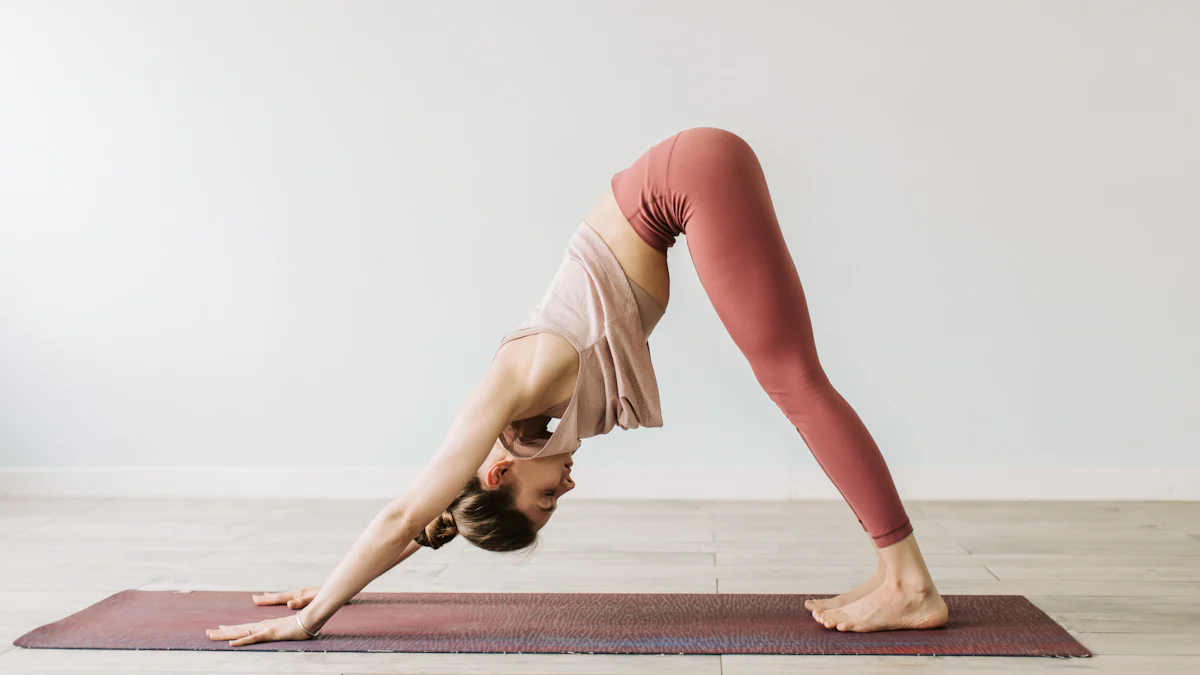
3. Downward Facing Dog
Benefits
Downward Facing Dog is a powerful pose that stretches your entire back and strengthens your arms and legs. This pose helps relieve tension in your lower back and improves overall body alignment. It also energizes your body and calms your mind.
Step-by-step Instructions
Start on your hands and knees in a tabletop position.
Tuck your toes under and lift your hips up and back, straightening your legs.
Press your heels towards the ground and relax your head between your arms.
Hold the pose for 30 seconds to a minute, breathing deeply.
Modifications for Beginners
If you cannot reach the floor with your heels, bend your knees slightly. You can also use a yoga block under your hands for extra support.
4. Sphinx Pose
Benefits
Sphinx Pose offers a gentle backbend that stretches your spine and opens your chest. This pose helps relieve tension in your lower back while promoting better posture. You’ll find that it encourages deep breathing, which can further enhance relaxation. Panagaki, a yoga instructor, notes that this pose can be particularly beneficial for those dealing with back pain.
Step-by-step Instructions
Lie on your stomach with your legs extended behind you.
Place your elbows under your shoulders, keeping your forearms on the ground.
Press your palms into the mat and lift your chest, drawing your shoulder blades back.
Hold the pose for 30 seconds to a minute, breathing deeply.
Modifications for Beginners
If you feel discomfort in your lower back, lower your chest closer to the mat. You can also widen your elbows for more support. Remember to keep your neck relaxed and avoid straining.
5. Supine Spinal Twist
Benefits
The Supine Spinal Twist is excellent for releasing tension in your lower back. This pose gently stretches your spine and hips, promoting flexibility. It also aids in digestion and can help calm your mind. Many practitioners find this pose soothing after a long day.
Step-by-step Instructions
Lie on your back with your arms extended out to the sides.
Bring your knees to your chest and let them fall to one side.
Keep your shoulders flat on the ground and turn your head in the opposite direction.
Hold the pose for 30 seconds to a minute, then switch sides.
Modifications for Beginners
If your knees don’t reach the floor, place a cushion or blanket under them for support. You can also keep one leg straight if that feels more comfortable.
6. Bridge Pose
Benefits
Bridge Pose strengthens your back, glutes, and hamstrings. This pose opens your chest and stretches your spine, helping to alleviate lower back discomfort. It also promotes better circulation and can energize your body. Panagaki emphasizes that this pose is a great way to build strength in your back muscles.
Step-by-step Instructions
Lie on your back with your knees bent and feet flat on the floor, hip-width apart.
Press your feet into the ground and lift your hips towards the ceiling.
Clasp your hands under your back and roll your shoulders under.
Hold the pose for 30 seconds to a minute, breathing deeply.
Modifications for Beginners
If you struggle to lift your hips, place a block under your sacrum for support. You can also keep your arms alongside your body instead of clasping them.
7. Pigeon Pose
Benefits
Pigeon Pose opens your hips and stretches your lower back. This pose helps relieve tightness in the glutes and hip flexors, which can contribute to lower back pain. You’ll find that it promotes better posture and alignment. Panagaki, a yoga instructor, emphasizes that this pose can significantly ease discomfort in your back.
Step-by-step Instructions
Start in a tabletop position on your hands and knees.
Bring your right knee forward, placing it behind your right wrist. Extend your left leg straight back.
Keep your hips square and lower your torso over your right leg.
Hold the pose for 30 seconds to a minute, breathing deeply.
Switch sides and repeat.
Modifications for Beginners
If you feel discomfort in your hips, place a cushion under your right hip for support. You can also keep your back leg bent if that feels more comfortable.
8. Seated Forward Bend
Benefits
Seated Forward Bend stretches your spine and hamstrings. This pose helps release tension in your lower back and promotes relaxation. It encourages deep breathing, which can calm your mind. Many practitioners find this pose soothing after a long day.
Step-by-step Instructions
Sit on the floor with your legs extended in front of you.
Inhale and reach your arms overhead.
Exhale as you hinge at your hips and reach forward towards your feet.
Hold the pose for 30 seconds to a minute, breathing deeply.
Modifications for Beginners
If you can’t reach your feet, use a strap around your feet for support. You can also bend your knees slightly to make the stretch more comfortable.
9. Legs-Up-the-Wall Pose
Benefits
Legs-Up-the-Wall Pose is a restorative pose that helps relieve tension in your lower back. This pose promotes relaxation and improves circulation. It can also reduce fatigue and stress. Panagaki notes that this pose is excellent for decompressing the spine and calming the mind.
Step-by-step Instructions
Sit next to a wall and lie on your back.
Swing your legs up the wall while keeping your shoulders and head on the ground.
Relax your arms by your sides and breathe deeply.
Hold the pose for 5 to 10 minutes.
Modifications for Beginners
If you feel uncomfortable, place a folded blanket under your hips for support. You can also keep your knees bent if that feels better.
10. Corpse Pose
Benefits
Corpse Pose, or Savasana, is a powerful way to relax your body and mind. This pose helps you release tension and promotes deep relaxation. You may find that it calms your nervous system and reduces stress. By practicing this pose regularly, you can enhance your overall sense of well-being. Panagaki, a yoga instructor, emphasizes that this pose allows your body to absorb the benefits of your practice. It’s a perfect way to end your yoga session.
Step-by-step Instructions
Lie flat on your back with your legs extended and arms relaxed by your sides.
Keep your feet hip-width apart and let them fall open naturally.
Close your eyes and take a few deep breaths, allowing your body to sink into the mat.
Focus on relaxing each part of your body, starting from your toes and moving up to your head.
Hold the pose for 5 to 10 minutes, breathing deeply and letting go of any tension.
Modifications for Beginners
If lying flat feels uncomfortable, try placing a folded blanket under your knees for support. You can also use a bolster or cushion under your head for added comfort. Remember, the goal is to relax, so adjust your position until you feel at ease. If you find it hard to stay still, you can keep your eyes slightly open and focus on a point in the ceiling.
Incorporating Corpse Pose into your routine can significantly enhance your yoga practice. It allows you to reflect on the poses you've done and helps your body integrate the benefits. So, take a moment to enjoy this peaceful pose and embrace the calm it brings.
Incorporating these yoga poses into your routine can make a significant difference in managing lower back pain. You’ll find that practicing regularly not only strengthens your back but also enhances your overall well-being. Remember to listen to your body and practice mindfully. Each session offers a chance to connect with yourself and promote healing. Consistency is key; over time, you can experience lasting relief and improved quality of life. As Certified Yoga Instructor emphasizes, “The locust pose can help improve posture and decrease low back pain.” So, embrace these poses and enjoy the journey to a healthier back!
See Also
Utilizing Yoga Techniques to Alleviate Lower Back Discomfort
Ten Essential Hot Yoga Poses for Enhanced Flexibility
Five Foundational Yoga Poses for New Practitioners

Hi my name is Lia and i am your host in this yoga journey in Portugal, Subscribe to our newsletter to receive every week the best of Yoga in Portugal.

We bring back the importance of initiation into womanhood by Roos-Veerle Krijnen & Ella-June Henrard
Welcome to the Women’s Initiation Retreat by Naked Truth Retreats, a transformative journey into the depths of your True Feminine Nature. This retreat invites you to remember the sacredness and wholeness of your being.
Roos-Veerle Krijnen & Ella-June Henrard